The Atlantic City issue
The Bay Side: Atlantic City's Salt Marsh, Clamming Boats and Quiet Back Channel
Turn your back on the boardwalk and Atlantic City opens onto tidal creeks, nesting ospreys and working clam boats — here's how to plan the bay side around the tides.

By Sanne de VriesBeyond the casino floor
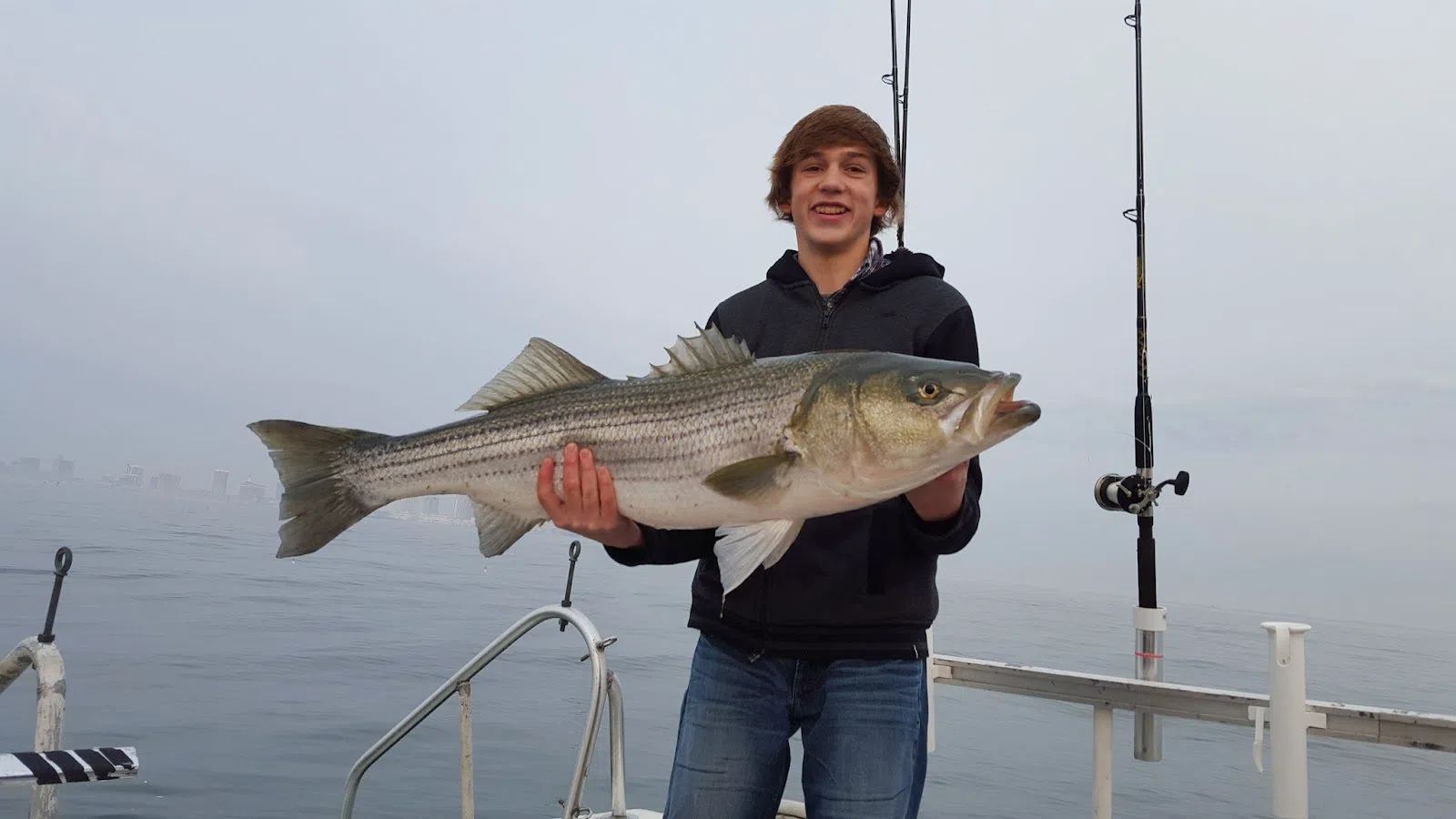
Turn your back on the casino towers and the boardwalk's noise, cross to the western edge of the island, and Atlantic City becomes something else entirely: a low, green, breathing expanse of salt marsh threaded with tidal creeks, where ospreys nest on channel markers and a working clam boat still noses out on the ebb. This is the bay side — the quiet back country the day-trippers never see — and it is, quietly, the most rewarding half of the city. What follows is a route you can plan around the tides, from a fifteen-minute harbour cruise to a full day out on the water and in the marsh.
Start at Gardner's Basin, the bay side's front door
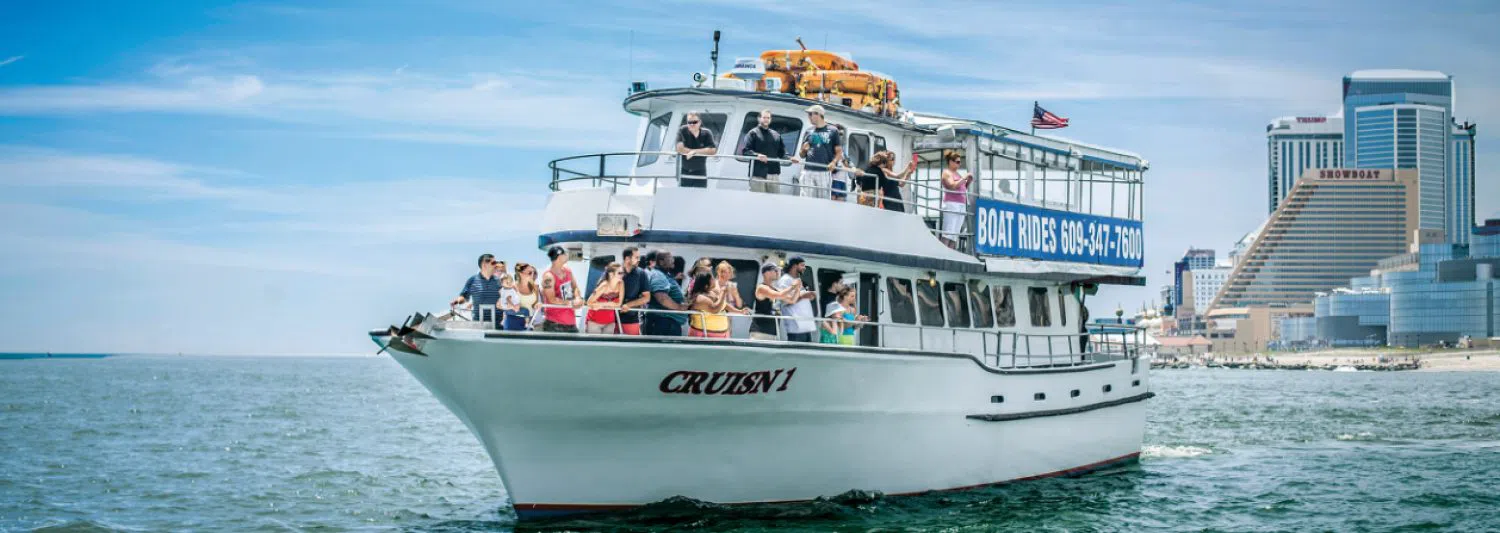
The whole back-bay world opens from one small working harbour on the north end of the island, and it makes sense to begin here even if you never leave the dock. Atlantic City Cruises (Historic Gardner's Basin) is the easy, no-gear introduction: a 1.5-to-2-hour back-bay and dolphin-sightseeing run with marine-naturalist narration, so you learn what you're looking at rather than just drifting past it. Expect roughly $30–45 per person, with a dolphin-sighting guarantee that tells you how reliably the bottlenose pod works these waters. It runs daily from June through late September, which makes it the default choice for a first-time visitor with a spare afternoon. Groups are genuinely welcome — you can charter the whole boat privately for a party of up to about 130 — but on a scheduled sailing you'll share the deck, and that's part of the pleasure.
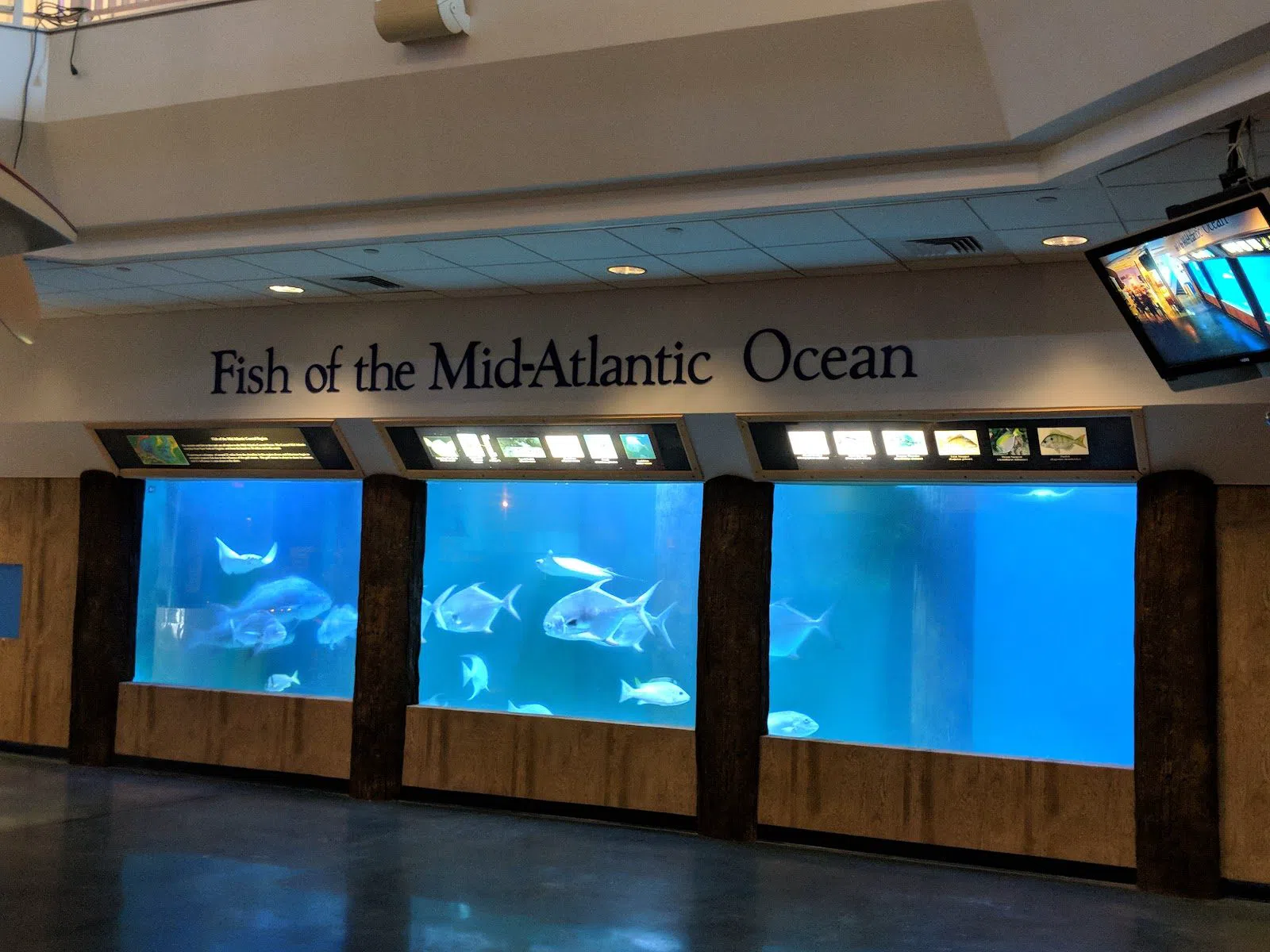
Before or after the cruise, the Atlantic City Aquarium at Historic Gardner's Basin (Gardner's Basin) is the smart companion stop, and not only when it rains. Reopened after a five-year closure with new exhibits, it's a low-cost, family- and group-friendly marine nature centre with touch tanks — the place to actually meet the New Jersey coast's marine life before you go looking for it on the bay. If you're travelling with mixed ages or want context before a cruise, do this first; a child who has just held a whelk watches the water differently.
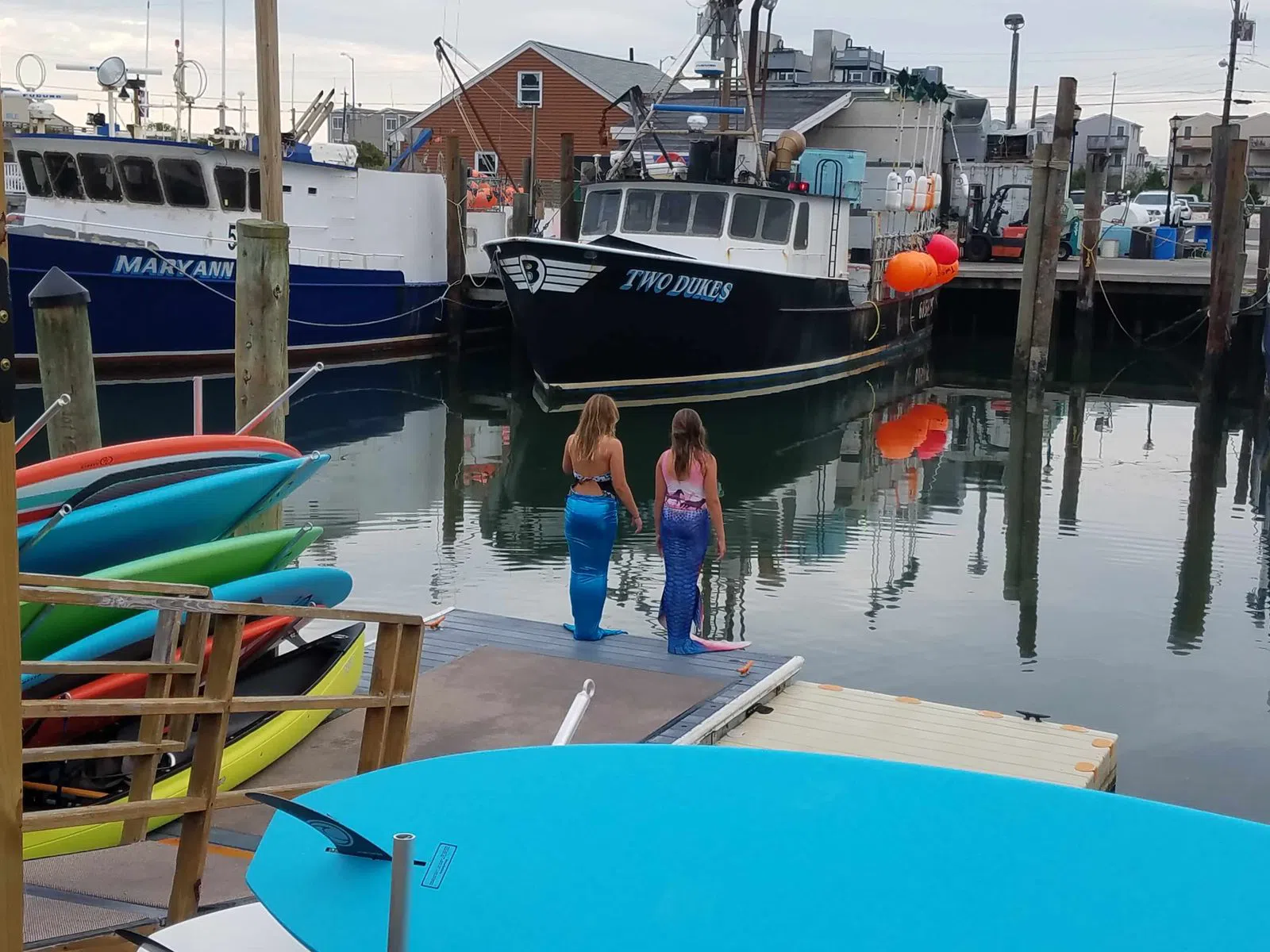
For the hands-on visitor, the same basin is a launch point. Web Feet Watersports (Gardner's Basin) rents kayaks and stand-up paddleboards straight onto protected back-bay water, which is the DIY option: no guide, no schedule, just you and the tide. Rates are hourly and hours are seasonal, so this is a phone-ahead affair — call 609-572-1004 for current pricing, and call earlier still if you need several boats for a group. It suits confident, self-directing paddlers; if you'd rather have someone reading the water and the wildlife for you, hold that thought for the guided options further down.
Plan your Atlantic City trip
Live prices from our booking partners.
Free cancellation on many rooms. We may earn a commission when you book.
Go smaller and more personal: private charters
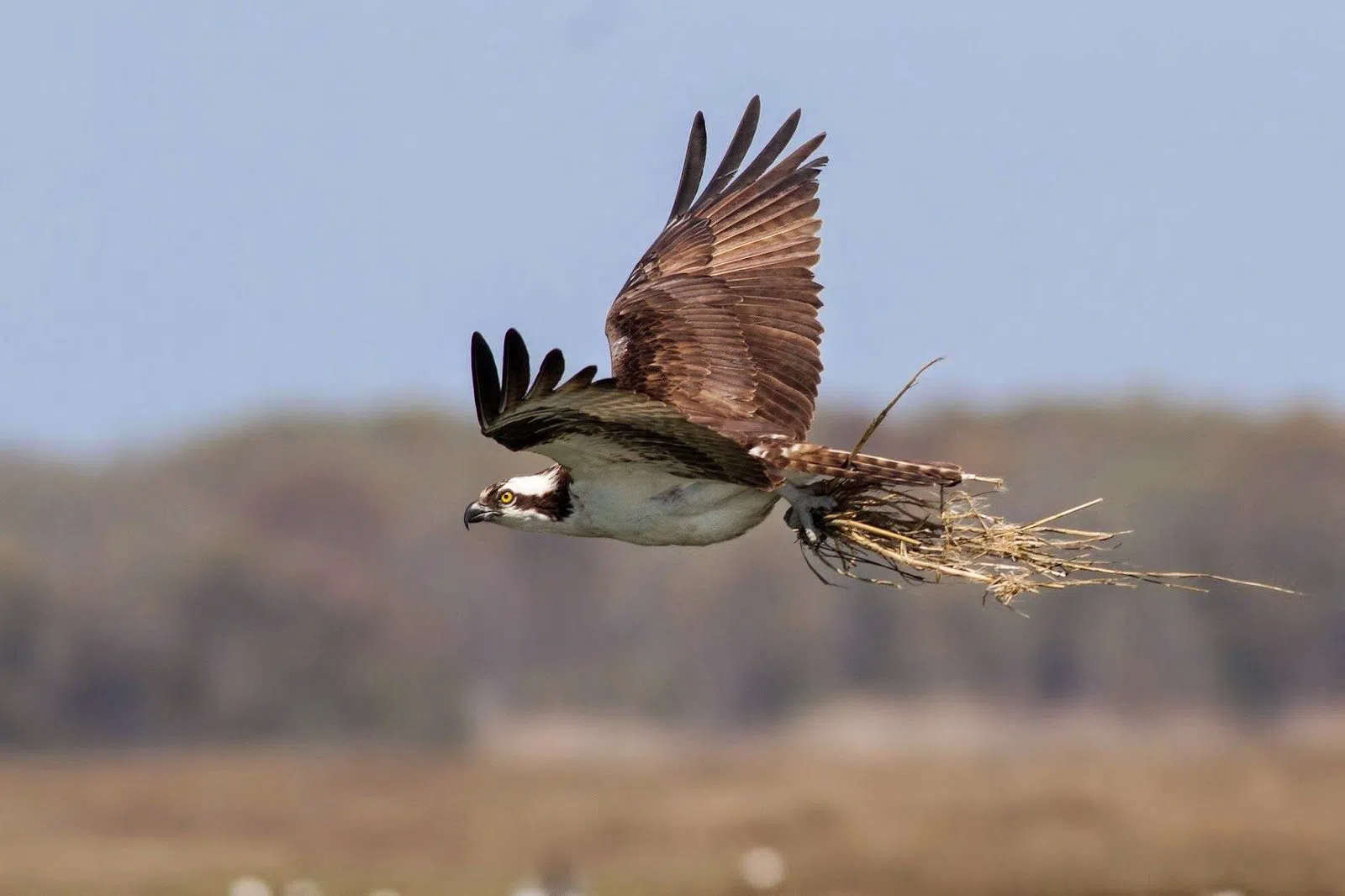
A big narrated cruise is the right first move, but the marsh rewards going quiet, and two operators are built for exactly that. Twrecks Charters (Atlantic City) is the concierge-style, small-boat choice — calmer and far more personal than the big cruise. It's designed around groups: book the whole boat privately for your party, though scheduled shared bird-watching trips are also offered if you're a pair or a solo traveller. This is birding water in the truest sense, in the sheltered channels near the Forsythe refuge, with hundreds of species logged — osprey and oystercatcher routinely, the occasional bald eagle for the patient. Pricing is private-charter level ($$$), so it's the pick when the quality of the experience matters more than the per-head cost, and when you want a captain who can linger where the birds are rather than keep to a timetable.
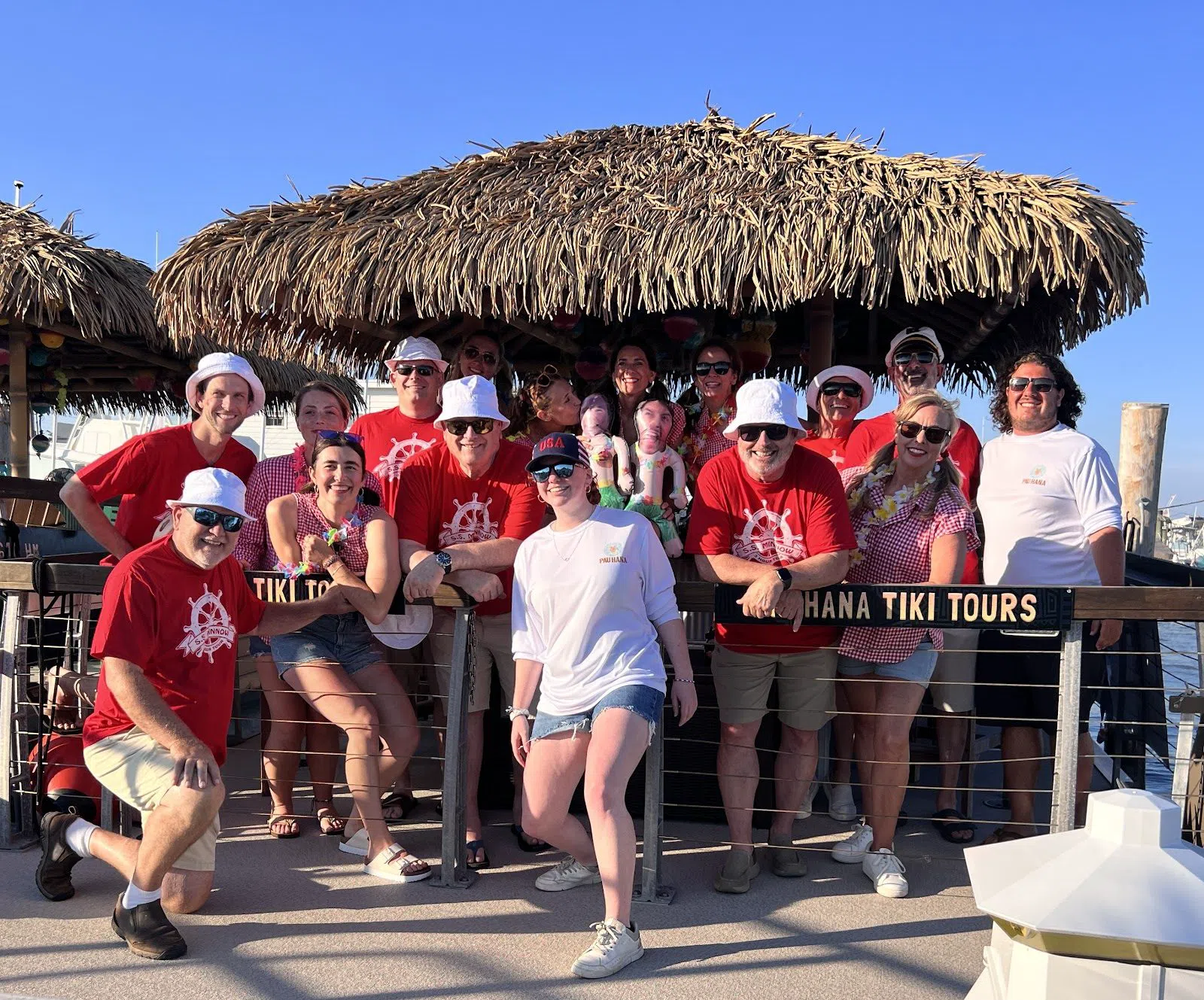
For a celebrating group, Pau Hana Tiki Tours (departing Somers Point, about 15 minutes from the island) is the social, good-humoured take on the same marsh. It's a private tiki-boat charter for up to 16 guests, bring-your-own, and the whole boat is your party — a novelty on paper that turns out to be a genuine, low-speed way to experience the back bay. Treat it as what it is: not a naturalist's outing but a floating gathering that happens to be surrounded by beautiful water. Expect private hourly charter rates ($$$). It's the wrong call for a serious birder and exactly right for a birthday.
The wild marsh, self-guided and free
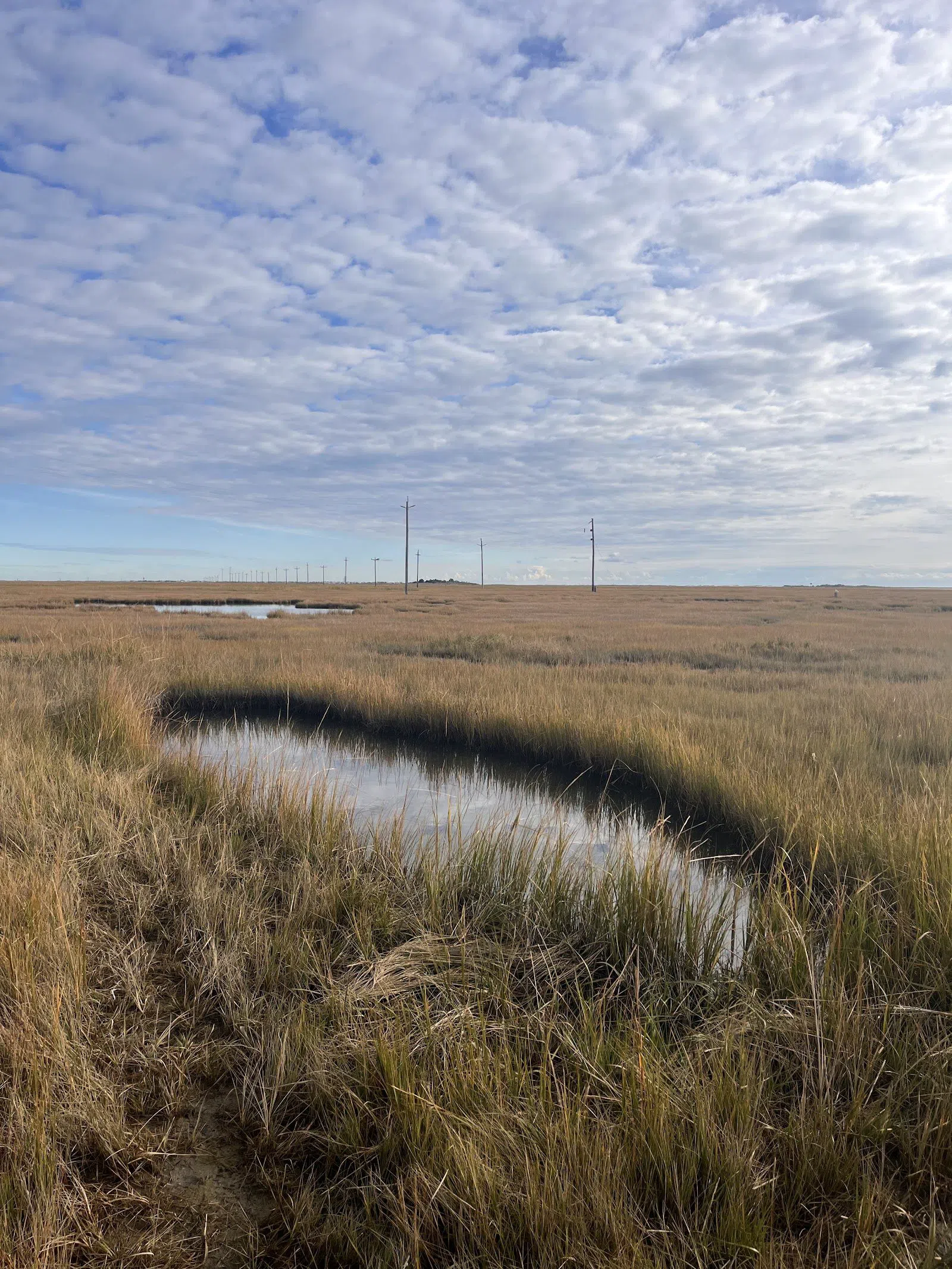
If you want the salt marsh raw and uncommercial, one drive delivers it. The Great Bay Boulevard Wildlife Management Area (reached via Tuckerton, roughly 30 minutes north of the island) is known locally as the "road to nowhere" — a long, thin ribbon of tarmac running out through open marsh over a series of low bridges until the land simply gives out. It's free, open-access, and self-guided for any group size: drive, park, walk, watch. This is critical habitat for shorebirds and raptors, and for photographers it is the honest article — huge skies, working light at dawn and dusk, and none of the packaging. Bring insect repellent in the warm months, watch the narrow one-lane bridges, and time your visit for the golden hour if the pictures are the point. There are no facilities out here, which is exactly why it stays wild.
Understand what you're looking at: the marsh's museums and naturalists
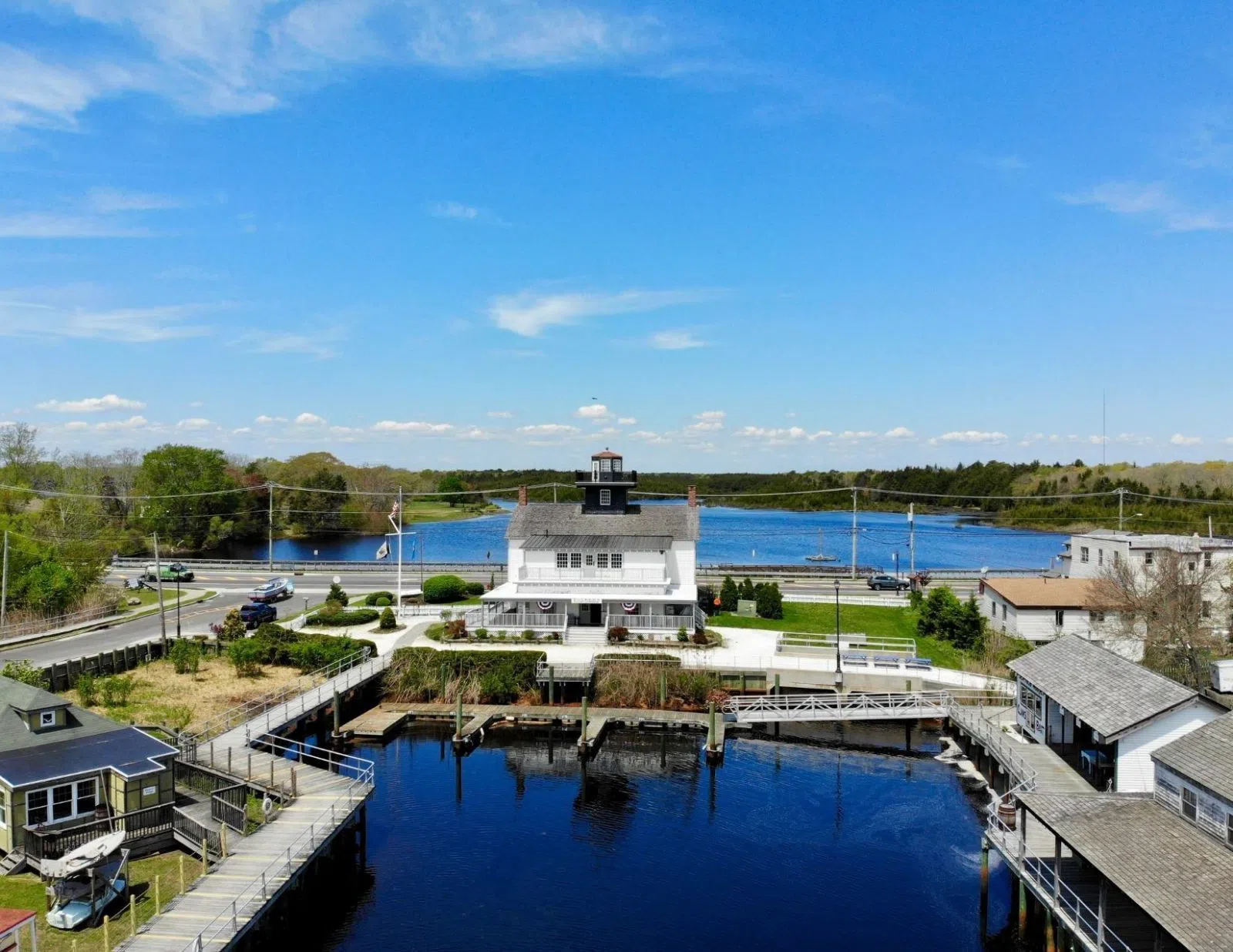
The bay side has a human story as long as its natural one, and the Tuckerton Seaport & Baymen's Museum (on the marsh at Tuckerton) is where to read it. This is a maritime-heritage village — boardwalks over the water, working demonstrations, and the trades that built these waters: clammers, oystermen, decoy carvers. Admission is low, it's group- and family-friendly, and it's open daily 10–4 except Thursday and Friday, so build your visit around that closure. Pair it with the Great Bay Boulevard drive on the same northern loop; the wildlife and the people who lived by it make more sense side by side.
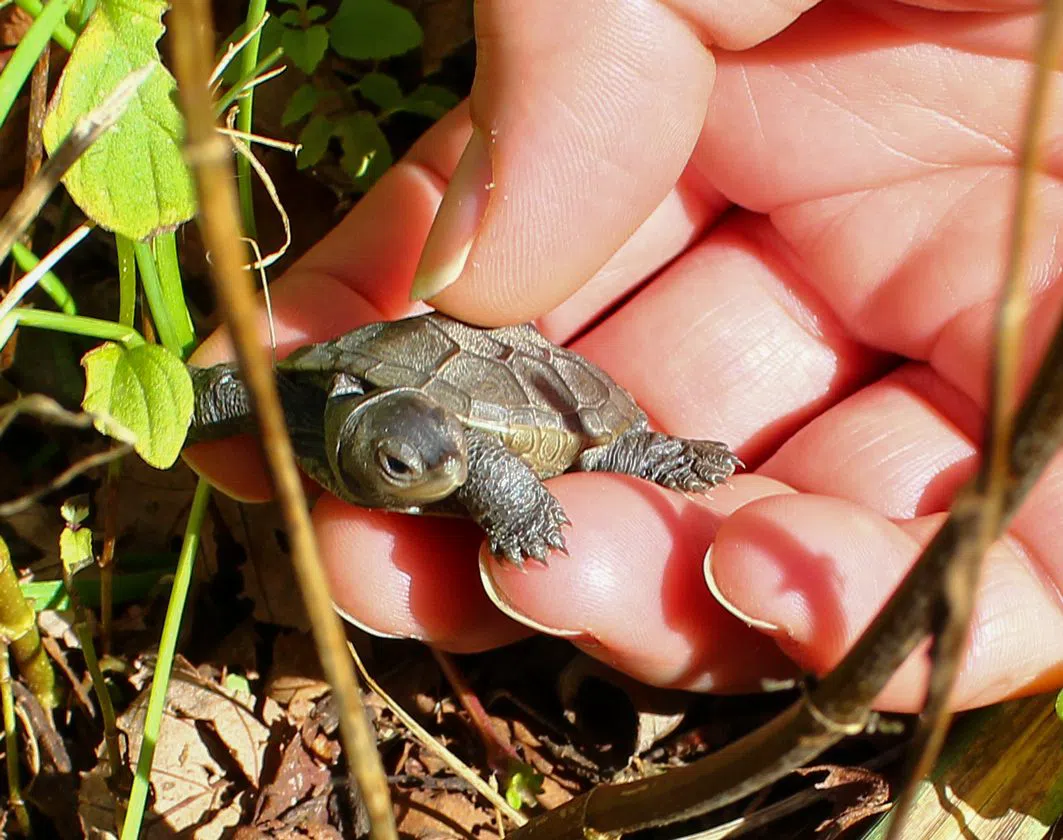
To actually understand the ecosystem rather than just admire it, the region's dedicated hub is The Wetlands Institute (about 40 minutes south of the island). It's a salt-marsh nature centre and research museum with guided marsh walks, touch tanks and a boardwalk out over the grasses, and every activity runs by reservation — so plan ahead rather than turning up. Admission is modest, with tours priced separately, and the school- and group-program offering is strong. Yes, it's a drive; no, there isn't a closer equivalent. If one stop is going to change how you see the marsh for the rest of your trip, this is it.
From the Institute's own dock departs the single best on-water introduction to the ecosystem: Salt Marsh Safari — The Skimmer (Wetlands Institute dock). This is a naturalist-led pontoon eco-tour — stable, shaded, calm-water — which means it genuinely suits all ages and mobility levels in a way a fast open boat can't. The standard two-hour trip runs $44 for adults and $33 for children, and the operator does dedicated school, family and club programs plus custom two-hour narrated group runs, with an optional waterside restaurant stop. It sails mid-June to late August. If you're bringing grandparents and grandchildren on the same boat, this is the one that works for everyone.
For paddlers who want a guide rather than a bare rental, Harbor Outfitters (about 25 minutes south of the island) runs small-group guided kayak and SUP eco tours, including sunset and dolphin back-bay trips. It's suitable for beginners and mixed groups, priced per person as a guided tour ($$), and it's the sensible step up from launching solo at Gardner's Basin: someone on the water with you, reading the channels and the wildlife, so you spend the time looking rather than navigating.
How to build the day around the tides
The bay side isn't a single neighbourhood you stroll; it's a scatter of docks and marsh reached by short drives, and the tide, not the clock, is the thing to plan around. Wildlife concentrates and channels open up around the moving water — a rising or falling tide beats dead high or dead low for both birds and boat handling — so if an operator offers a tide-timed sailing, take it.
A clean first day: start mid-morning at the Atlantic City Aquarium for context, take an early-afternoon Atlantic City Cruises sailing from the same basin, and keep the evening for the boardwalk. A second, wilder day pushes north — the Great Bay Boulevard drive and Tuckerton Seaport, timed to catch golden hour on the marsh. If you have a third, go south for The Wetlands Institute and a Salt Marsh Safari sailing, or a guided paddle with Harbor Outfitters. Charters with Twrecks and Pau Hana are worth booking well ahead, since the whole point is having the boat to yourselves.
Practical notes
Getting around. The bay-side sights are spread along the coast, and several of the best — the Wetlands Institute, Harbor Outfitters, the Great Bay Boulevard drive and Tuckerton Seaport — are 25 to 40 minutes from the island. A car is close to essential for the wilder, further stops; Gardner's Basin (cruises, aquarium, kayak rental) is the one cluster you can reach without one and treat as a car-free day.
Cash and cards. Cruises, guided tours and admissions take cards, but confirm when you book a private charter. Bring some cash for parking, small vendors and the museums, and note there are no facilities at all on the Great Bay Boulevard drive — fuel up and buy water before you head out.
Timing and season. This is a warm-season coast. Atlantic City Cruises runs June to late September, Salt Marsh Safari mid-June to late August; the marsh drives and museums are year-round, but the wildlife peaks in the warmer months. Book charters, guided paddles and anything at the Wetlands Institute in advance — walk-up space is not guaranteed. Pack sun cover, layers for the open water, and insect repellent for the marsh at dawn and dusk.
Budget. You can do the bay side cheaply — the Great Bay Boulevard drive is free, the aquarium and museums are low-cost, and an hourly kayak rental is inexpensive. A shared cruise is a mid-range $30–45 per person, a guided Salt Marsh Safari $44 for adults. Private charters with Twrecks or Pau Hana are the splurge, and worth it for a group that wants the water to itself.
For where to stay within reach of the north-end basin and the bay, start with the Atlantic City hotel search, and for the boardwalk-and-beach half of the trip see the full Atlantic City guide. The casinos will still be there when you get back. The tide won't wait.
Before you go
What is the easiest way to see Atlantic City's back bay if I have no gear or experience?
Take an Atlantic City Cruises sailing from Historic Gardner's Basin — a 1.5-to-2-hour narrated back-bay and dolphin trip for roughly $30–45 per person, running daily June through late September. There's marine-naturalist narration and a dolphin-sighting guarantee, so it's the no-gear, no-planning introduction.
Which bay-side options are best for a group versus a couple?
For a celebrating group, Pau Hana Tiki Tours (up to 16, BYO, departing Somers Point) or a private Twrecks Charters boat suit having the deck to yourselves. Couples and solo travellers are better on a scheduled Atlantic City Cruises sailing or a shared Twrecks bird-watching trip, where you don't pay whole-boat charter rates.
Can I go birdwatching in the Atlantic City salt marsh?
Yes. Twrecks Charters runs quiet small-boat trips in the sheltered channels near the Forsythe refuge, logging osprey, oystercatcher and the occasional bald eagle. For free, self-guided birding, drive the Great Bay Boulevard Wildlife Management Area near Tuckerton — raw open marsh that's superb at dawn and dusk.
Do I need a car for the bay side, or can I do it without one?
Gardner's Basin — cruises, the aquarium and Web Feet Watersports kayak rentals — is walkable as a car-free cluster. But the wilder, further stops such as the Wetlands Institute, Harbor Outfitters, Tuckerton Seaport and the Great Bay Boulevard drive are 25 to 40 minutes away, so a car is close to essential for those.
What's the best bay-side option for older visitors or young children?
Salt Marsh Safari — The Skimmer, a naturalist-led pontoon tour from the Wetlands Institute dock, is stable, shaded and calm-water, so it suits all ages and mobility levels. The standard two-hour trip is $44 for adults and $33 for children and sails mid-June to late August. The Atlantic City Aquarium's touch tanks are also a strong mixed-age stop.