The Atlantic City issue
Atlantic City Without a Car, Route by Route
Four routes of $3 minibuses, twelve trains a day and four miles of boards: Atlantic City is easier on foot than behind a wheel.

By Sanne de VriesBeyond the casino floor
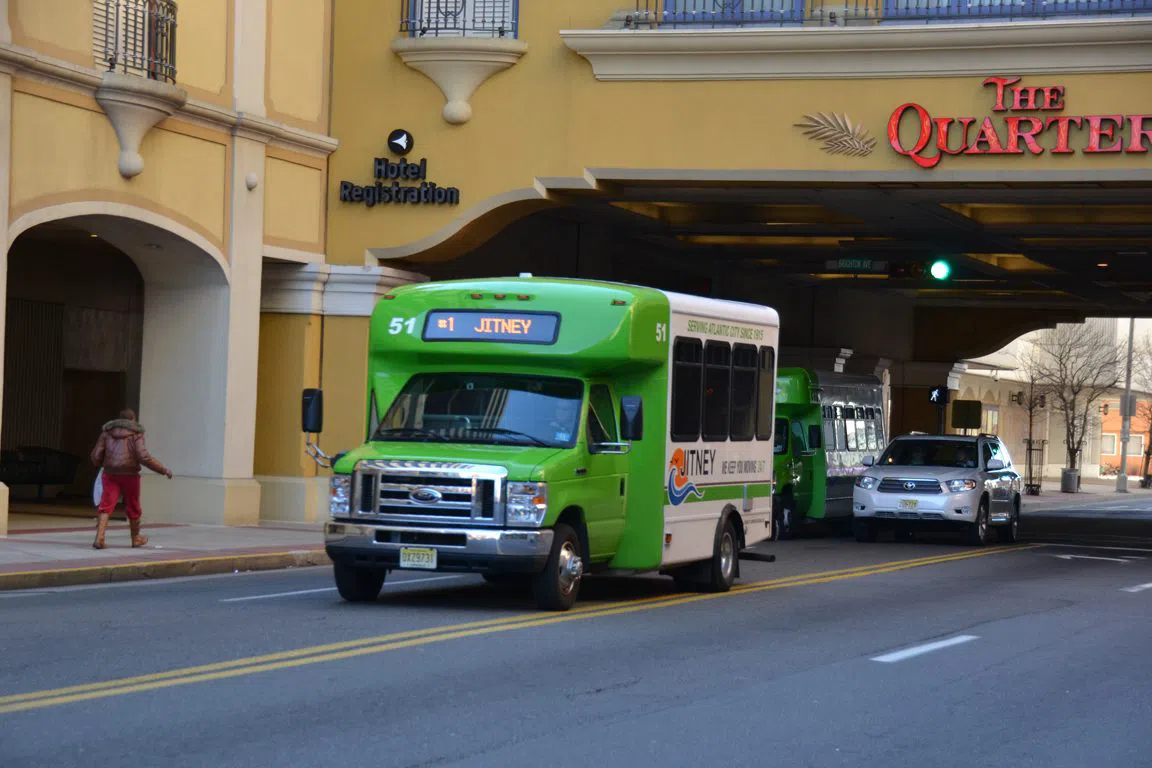
Atlantic City is a barrier-island town roughly four miles long, with the Boardwalk on the ocean side and Pacific Avenue one block inland, and almost everything a visitor comes for sits in the strip between the two. That geometry is the whole argument against a rental car: you would be paying a parking charge to make a journey that costs three dollars, or one you could walk in twenty minutes. What holds the city together instead is a fleet of thirteen-seat minibuses grinding up and down Pacific Avenue at every hour of the day and night.
The jitney does the work
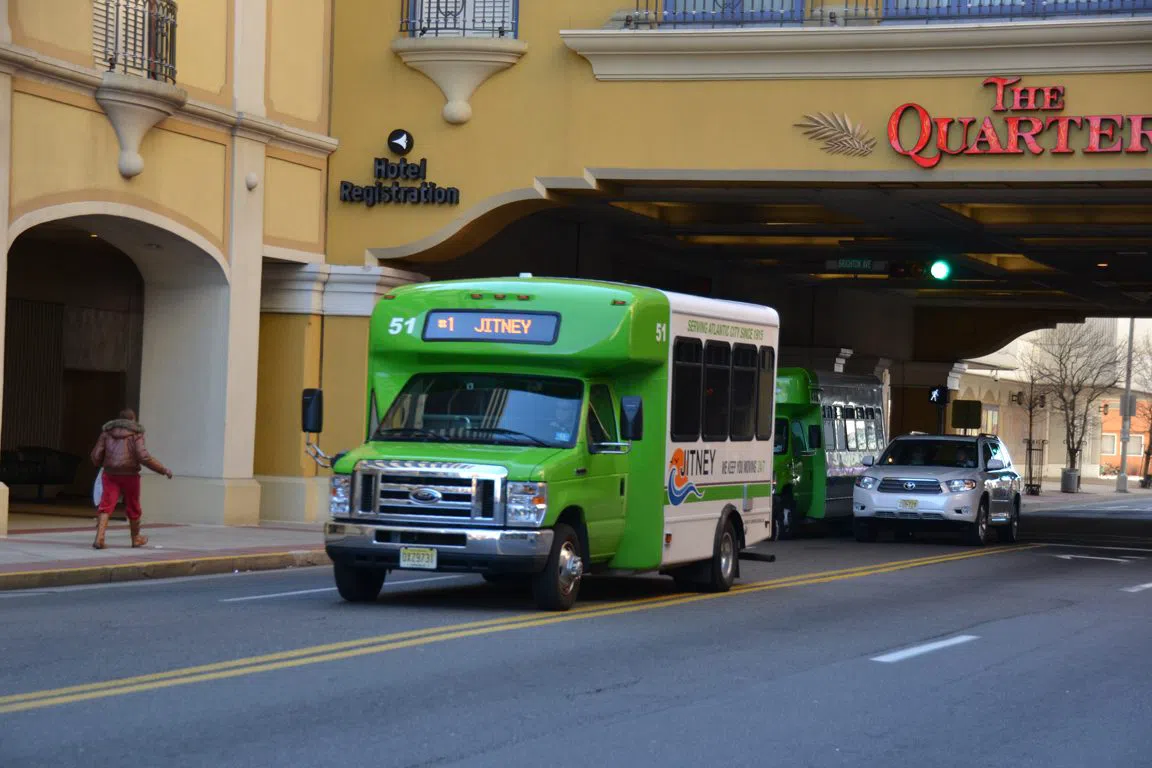
The Atlantic City Jitney Association (Pacific Avenue, the full length of the casino strip) is the single most useful thing in this city for anyone arriving without a car. Four routes, every casino door, twenty-four hours a day, three hundred and sixty-five days a year. There is no last jitney to miss, which matters more than it sounds when you come out of a show at two in the morning in January with the wind coming off the water.
You do not book and you do not plan around a timetable. You stand on Pacific Avenue, put your hand out, and the driver stops. The fare is $3, cash, handed to the driver as you board. There is no card reader to fall back on, so break a twenty before you start the day. If you are staying more than one night, buy a ten-trip sheet for $25. That brings a ride down to $2.50 and removes the exact-change problem entirely. Seniors and disabled passengers get the same ten-trip sheet for $7.50, which is among the better transport deals anywhere on this coast.
The honest limitation is capacity. Thirteen seats is thirteen seats. Two couples travelling together will be fine at almost any hour; a party of six or more should expect to split across two jitneys at a Friday-evening peak, and should agree the casino and the entrance before anyone boards, because the second jitney will not necessarily be a minute behind the first. Agree a meeting point, not a vague building.
The association also runs a free shuttle from the rail terminal to the casino doors, and it meets trains, so your last mile on arrival is handled and costs nothing. What it no longer runs is a service to the airport. That route was discontinued, and it is still the most common piece of out-of-date advice about getting around here. Do not build an arrival plan on it.
Plan your Atlantic City trip
Live prices from our booking partners.
Free cancellation on many rooms. We may earn a commission when you book.
Arriving by train
The Atlantic City Rail Terminal (downtown, a few blocks back from the Boardwalk) is the calmest way in. NJ Transit's Atlantic City Rail Line runs twelve departures a day in each direction to Philadelphia 30th Street, roughly $11 one way, and 30th Street is where Amtrak connects to the rest of the country. If you are coming from anywhere that is not New York, this is almost always the sensible route: one long-distance train, one short connection, and you step off a few blocks from the boards.
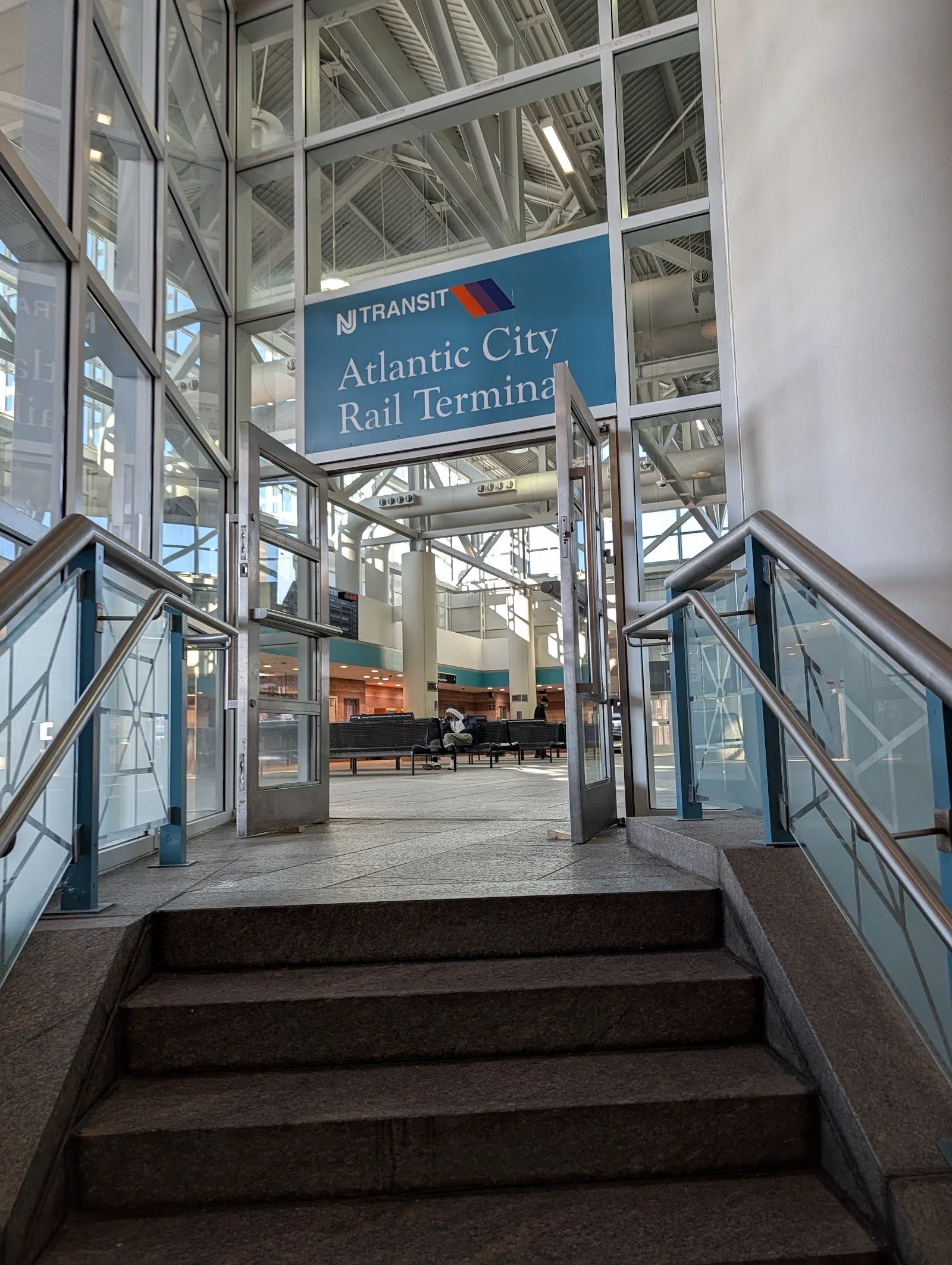
Buy on the NJ Transit app before you board. Tickets bought on board carry a surcharge, and an automated fare adjustment took effect on 1 July 2026, so check the price in the app on the day rather than trusting a figure you read months ago. There are no reservations and no seat assignments, which makes this the easiest option for a group of any size. Ten people board exactly as easily as one, with no advance coordination and no risk of being split across departures.
The coaches, and which one drops you where
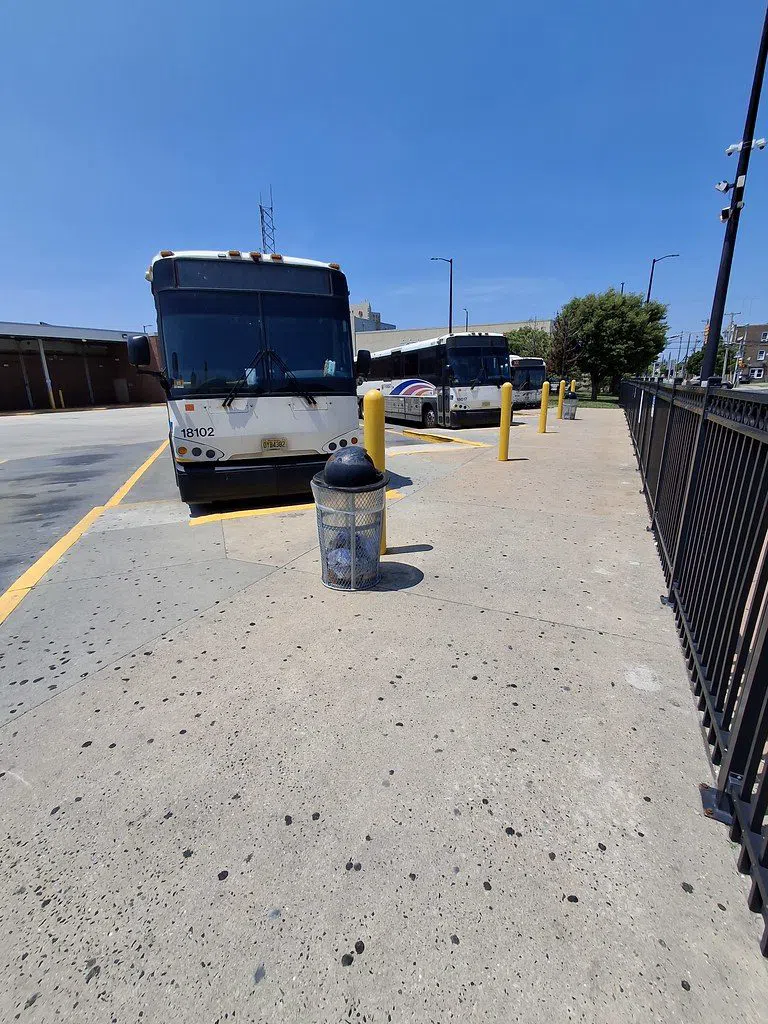
The Atlantic City Bus Terminal (Atlantic Avenue, downtown) is doing two jobs at once. It is the arrival point for the express coach from New York, and it is the hub of the local network.
NJ Transit Route 319 runs express from New York's Port Authority with only two intermediate stops, and takes two and a half to three hours depending on the tunnel. The excursion round-trip is $49.75 and stays valid for ten days, which suits anyone whose return date is soft. The catch is that excursion tickets must be bought in advance at a ticket window and cannot be bought on board, so send one person to the counter with everyone's money rather than having six people queue separately. The office is staffed around the clock, so a late arrival never finds it shut. Route 551 from Philadelphia is $23.65 round-trip, slower than the train, but useful when the rail timetable does not fit your day.
The same building is where the local 501 to 509 buses start. The one to know is the 505, running down Atlantic Avenue to Ventnor, Margate and Longport, the Downbeach stretch, which is how you reach the quieter end of the island without a bike or a metered fare.
OurBus (drops at the casino doors, Resorts, Caesars and Tropicana) is the option I would put in front of any group of four or more. Fares start around $24 one way, you book the whole party in a single transaction with seat selection, and with four to five departures a day to Caesars there is enough choice that nobody travels separately. Journey time runs two hours forty to three hours twenty, dictated almost entirely by the Holland Tunnel. The advantage is where it puts you down: a casino entrance rather than a terminal, which spares a group of six the business of hauling bags several blocks at the end of a three-hour ride.
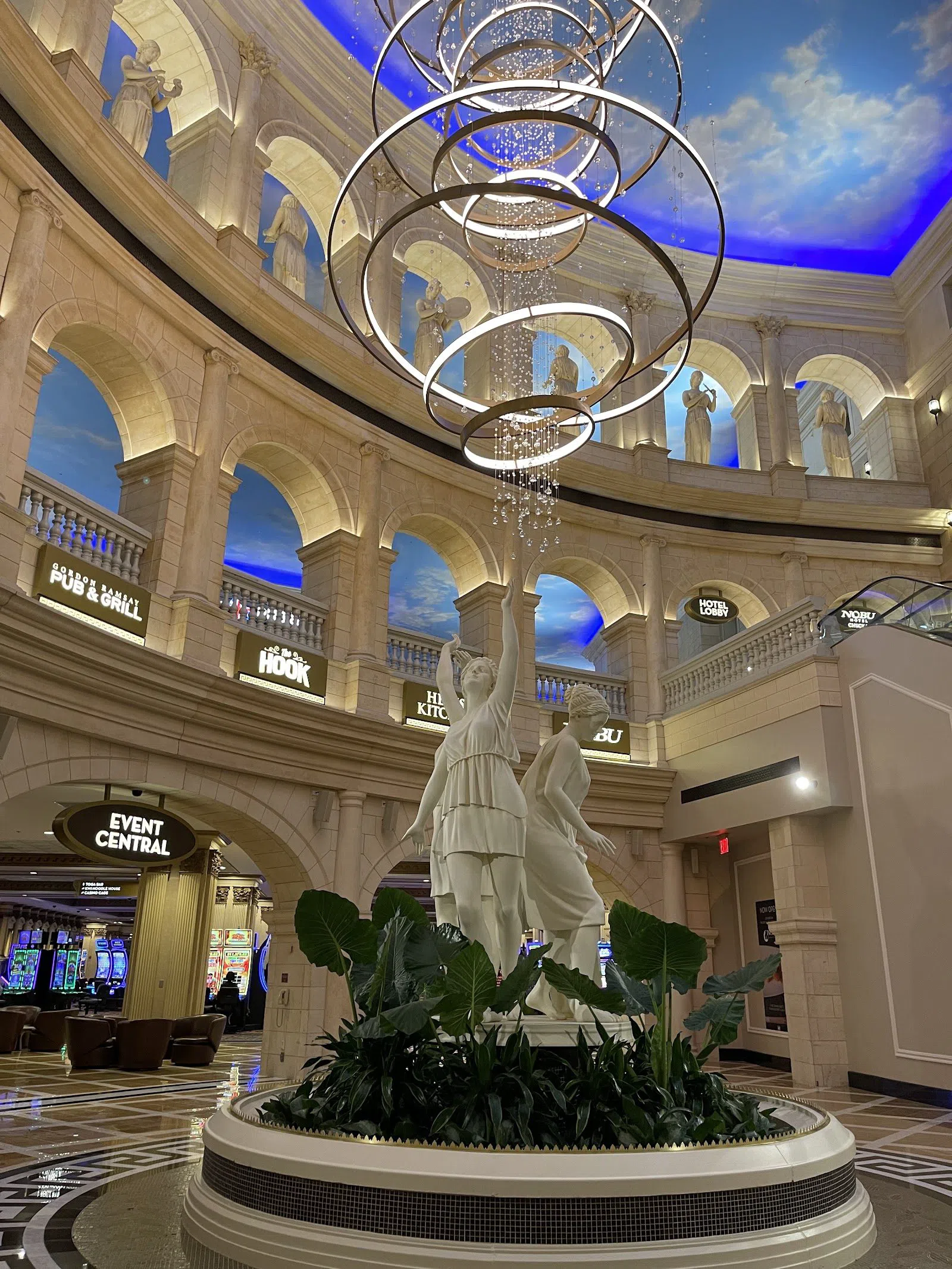
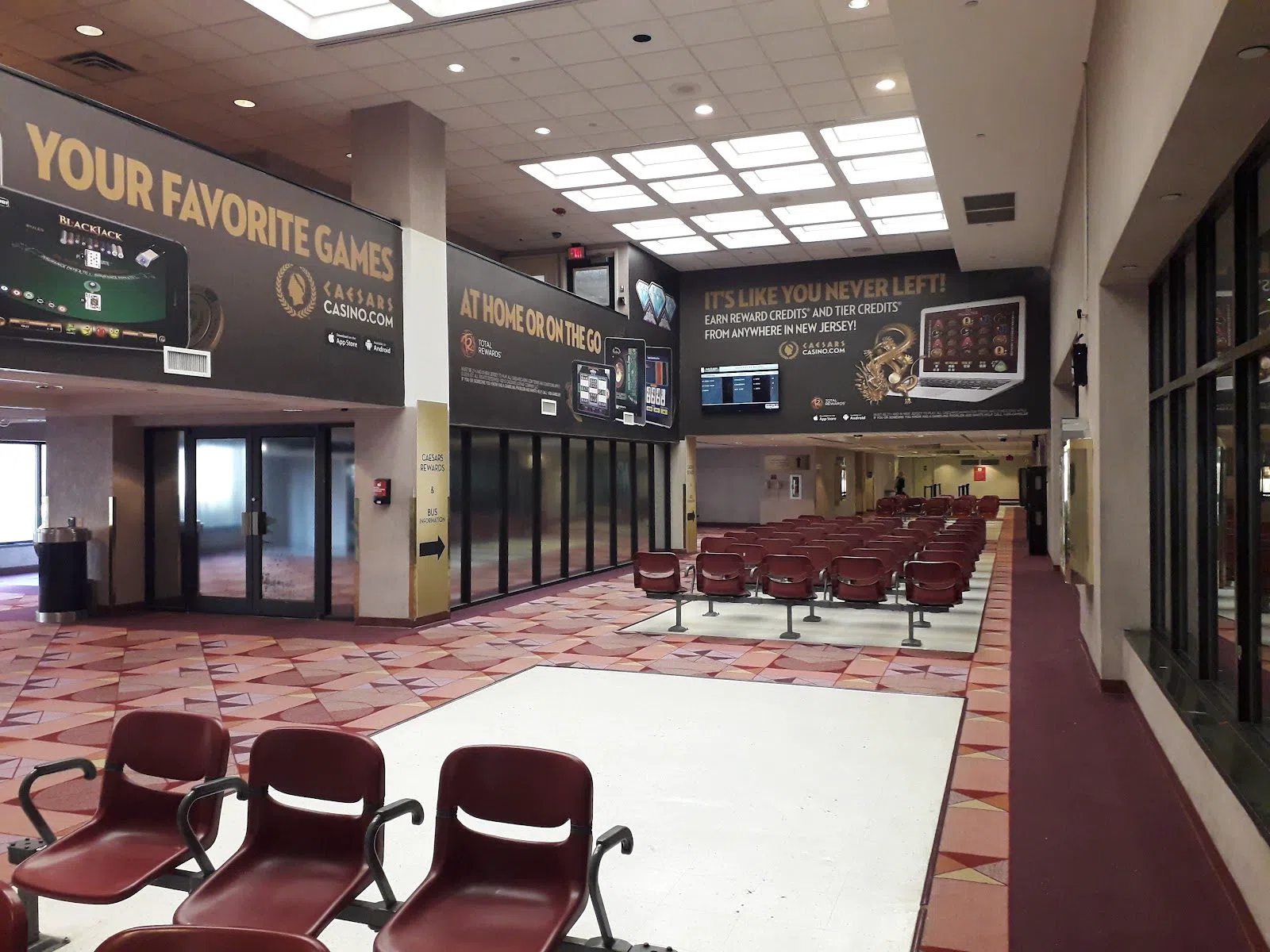
Greyhound (also casino stops, not the bus terminal) is the cheapest scheduled way in, from about $17 one way from New York, and the ticket includes one carry-on and one checked bag, which is the difference between a comfortable weekend and everyone sharing a duffel. Boarding is kerbside, with no terminal check-in and no bag drop, so be at the stop early and know what your coach looks like. Three stops are in use: Caesars on Pacific Avenue, and Resorts and Tropicana on the Boardwalk. Read which one your ticket names before you set off. The two Boardwalk stops sit at opposite ends of the casino strip, and discovering that on arrival costs you a jitney fare and twenty minutes you did not budget.
The late back door through Lindenwold
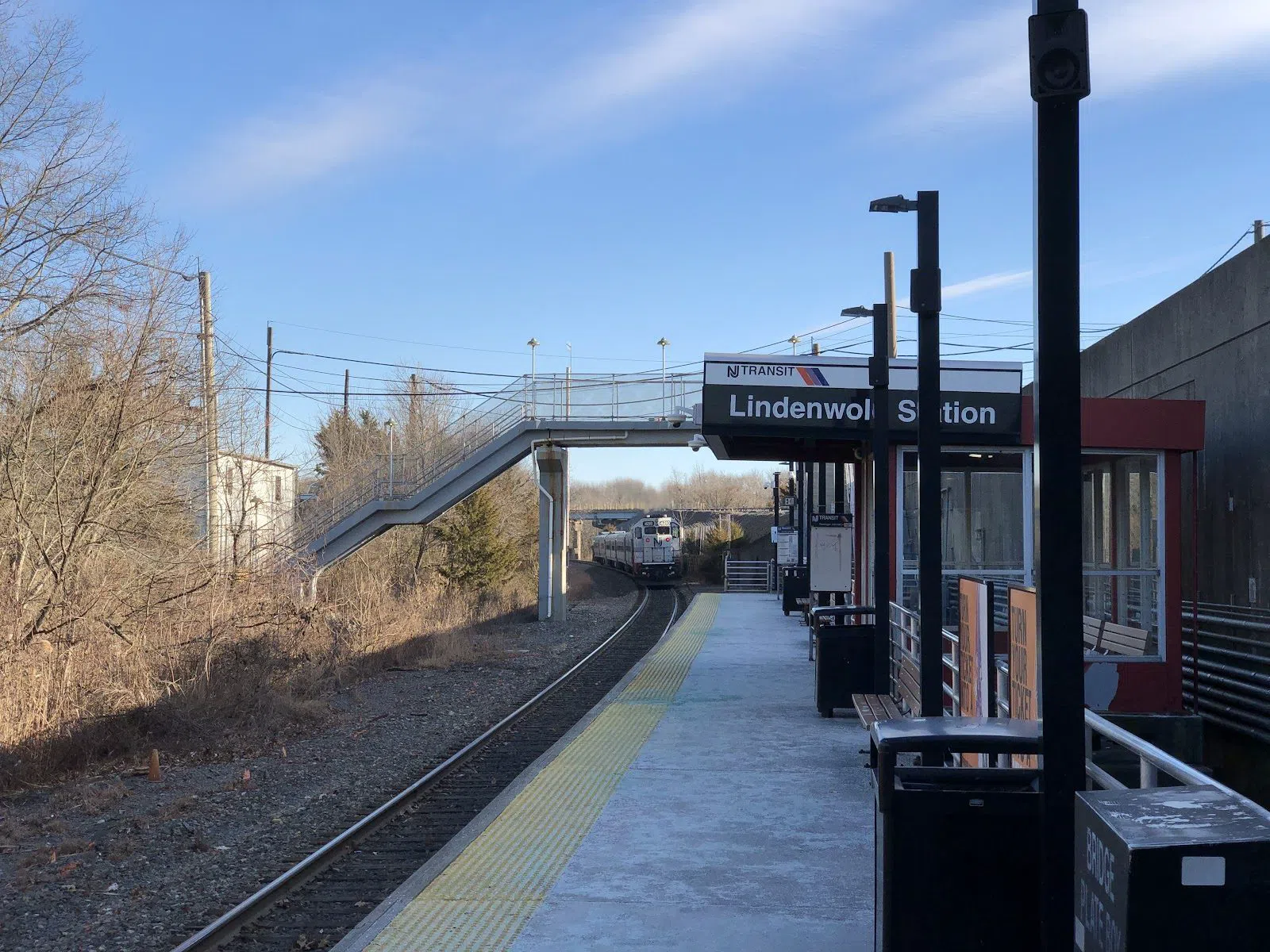
The PATCO Speedline (the regional rapid-transit link out of Philadelphia) is the route nobody mentions and the one that saves a late night. Ride PATCO from central Philadelphia out to Lindenwold, about $3 one way, then pick up NJ Transit's Route 554 bus, which runs straight through to the Atlantic City Bus Terminal. It is slower than the direct train, noticeably so, and on paper it looks like the worse choice. Its value is that it runs far later into the night, which is the point when the last train has gone and you are not ready to leave.
Entry is through turnstiles with a stored-value Freedom card or a single-ride ticket. There is no group booking and no need for one, because trains are frequent enough that even a party of eight will be aboard within minutes. Treat this as your fallback rather than your plan A.
Flying in
Atlantic City International Airport (ACY, fifteen minutes inland from the Boardwalk) is served by American, Allegiant and Breeze. If one of their routes reaches your home city, take it. It is a far gentler arrival than the big regional airports, and small enough that a party of six clears the building in the time it would take to find the correct exit at a larger one.
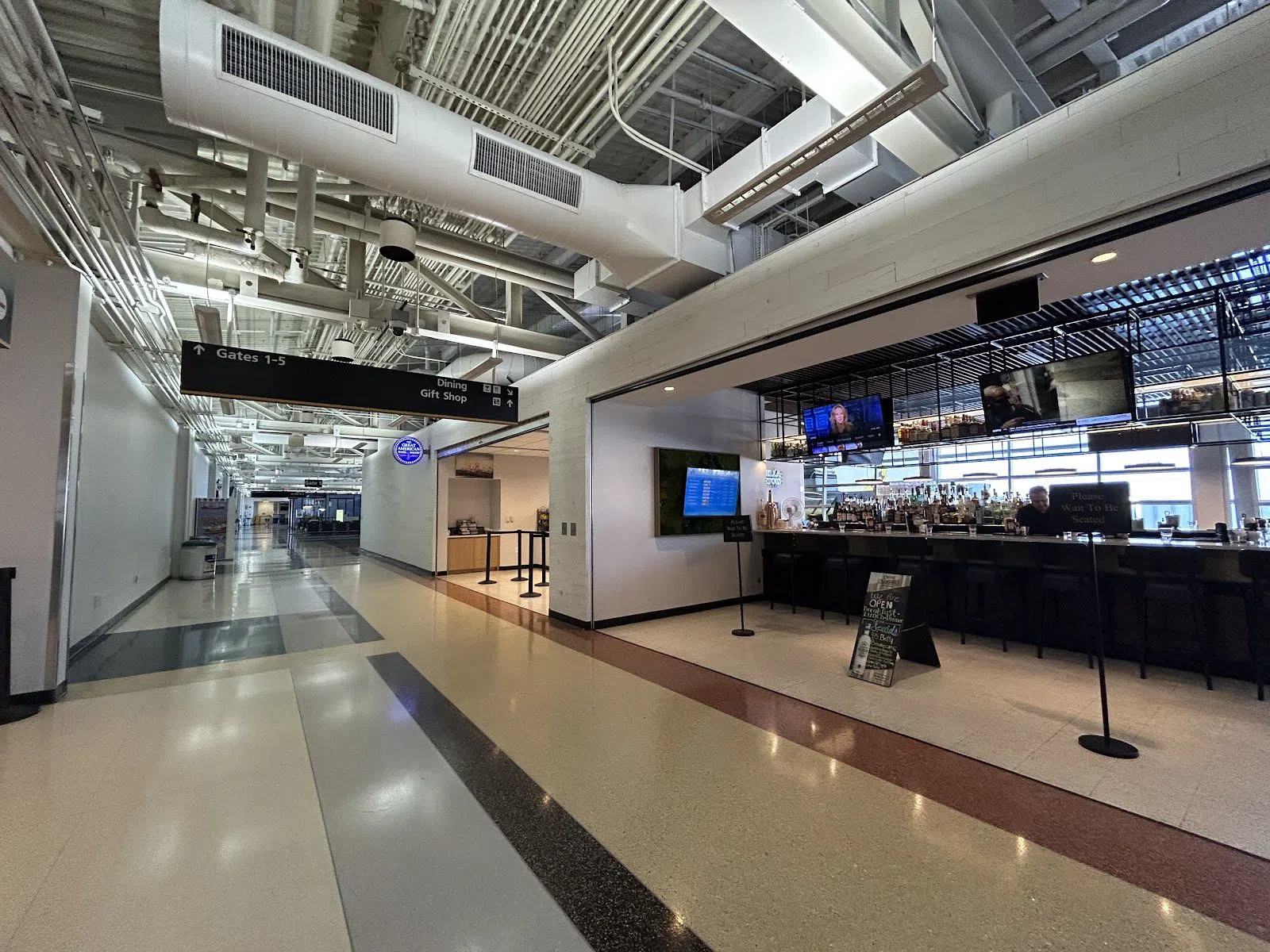
From the terminal, taxi fares are capped by city ordinance: a $40 flat rate covers one to four passengers, with $3 for each additional passenger. For five or six people that works out cheaper per head than almost anything else, and it is a known number rather than a surge-priced guess. NJ Transit's Route 554 covers the same ground for a few dollars if you have the time and light luggage. Private shuttle vans handle parties of six or more and are worth arranging in advance. You cannot take the jitney. It does not come here any more.
Walking the Boardwalk end to end
The Atlantic City Boardwalk (the shorefront, running the whole length of the city) is free, unrestricted at any hour and at any group size, and it is the reason this place is genuinely walkable rather than theoretically walkable. Four miles within the city proper, plus roughly a mile and a half further south into Ventnor. At an unhurried pace with stops, the full city stretch is about eighty to ninety minutes one way, a real afternoon rather than a stroll. The widest sections, around Boardwalk Hall, absorb a large group without anyone being pushed into the bike lane; the narrower northern stretches do not, so walk two abreast up there.
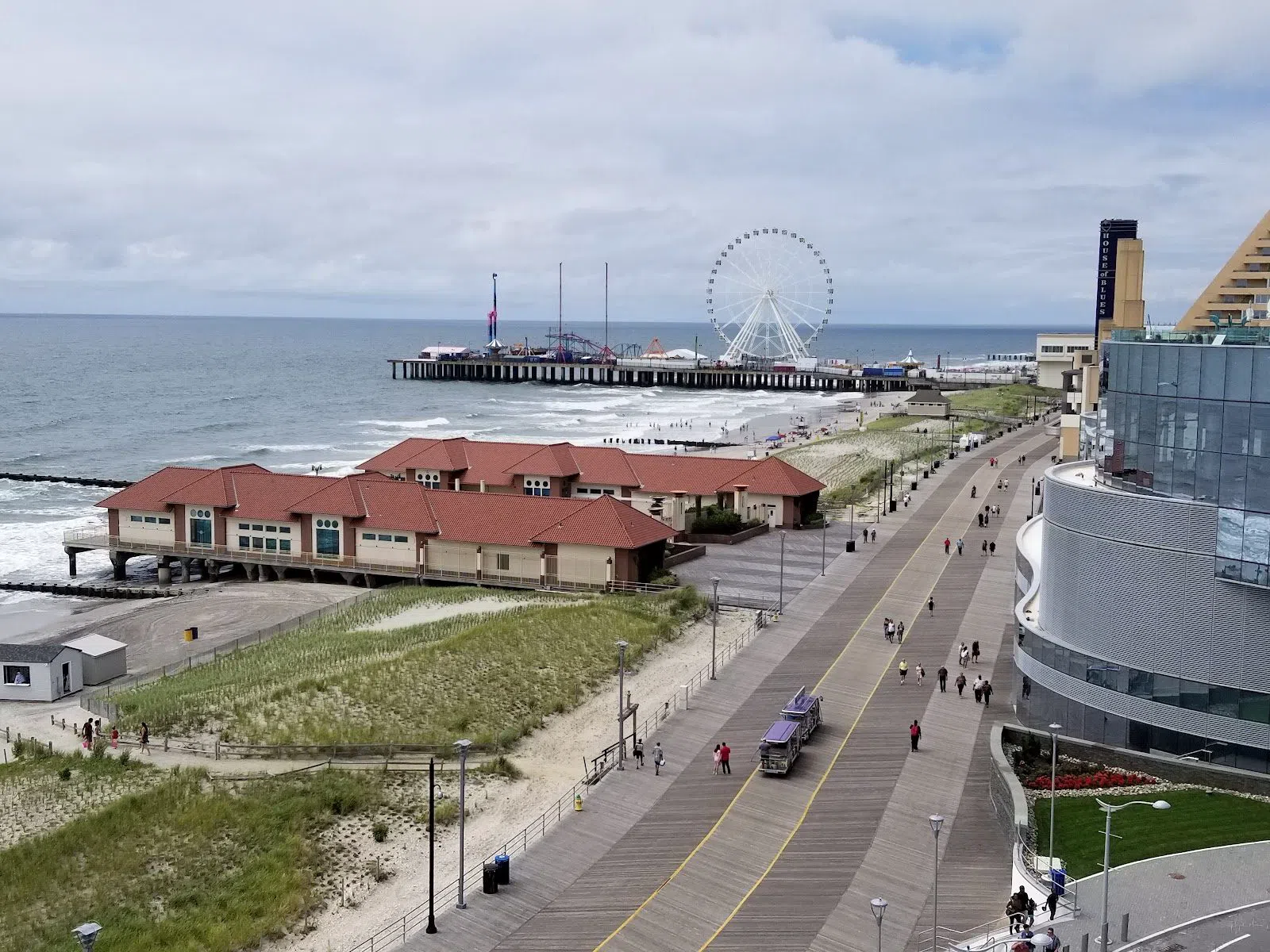
There is one live caveat for 2026. A $20m Boardwalk Preservation Fund resurfacing programme runs to the end of the year, so expect fenced-off sections and short detours down onto Pacific Avenue and back. It does not spoil the walk, and the work is exactly what keeps the structure standing. It does mean you should not plan a timed arrival to the minute at the far end.
Trams for the days you would rather not walk
The Boardwalk Trams (running the boards between Ocean Casino Resort and Stockton University) are the honest answer for anyone who does not fancy four miles in August heat, or who is travelling with someone who cannot do the distance. They run year-round, with hours stretching to 10pm at the height of summer, and you flag one down anywhere along the route, with no stops to find and no app.
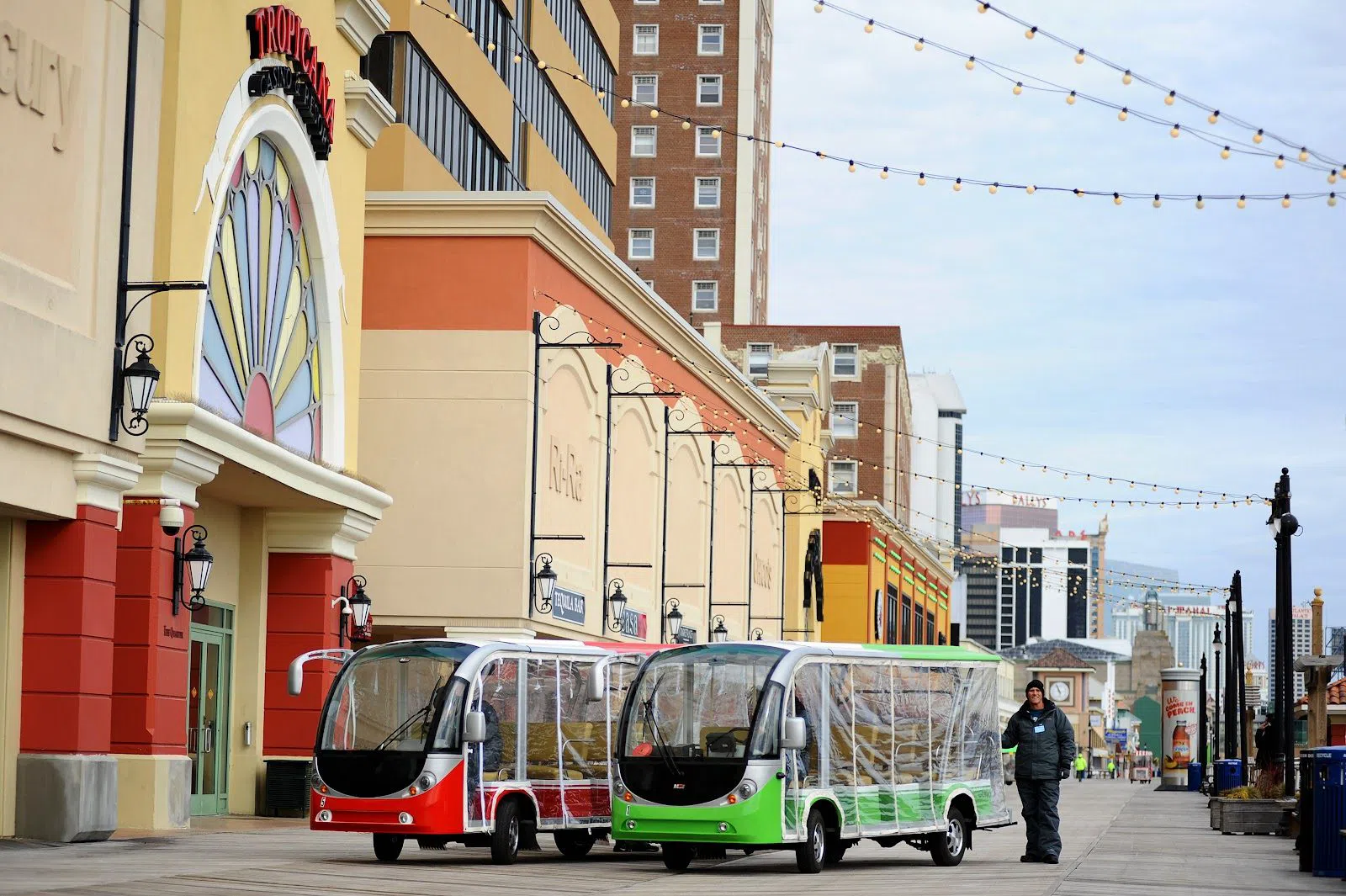
Fares are $5 one way for adults and $3 for children twelve and under. A day pass is $13 for adults and $7 for children, so three one-way hops and the pass has already paid for itself; if you are moving between casinos more than twice, buy the pass at the start. Groups board together, which makes this the low-friction choice for a party that would otherwise be split across two jitneys.
Two wheels and the nine-mile Downbeach run
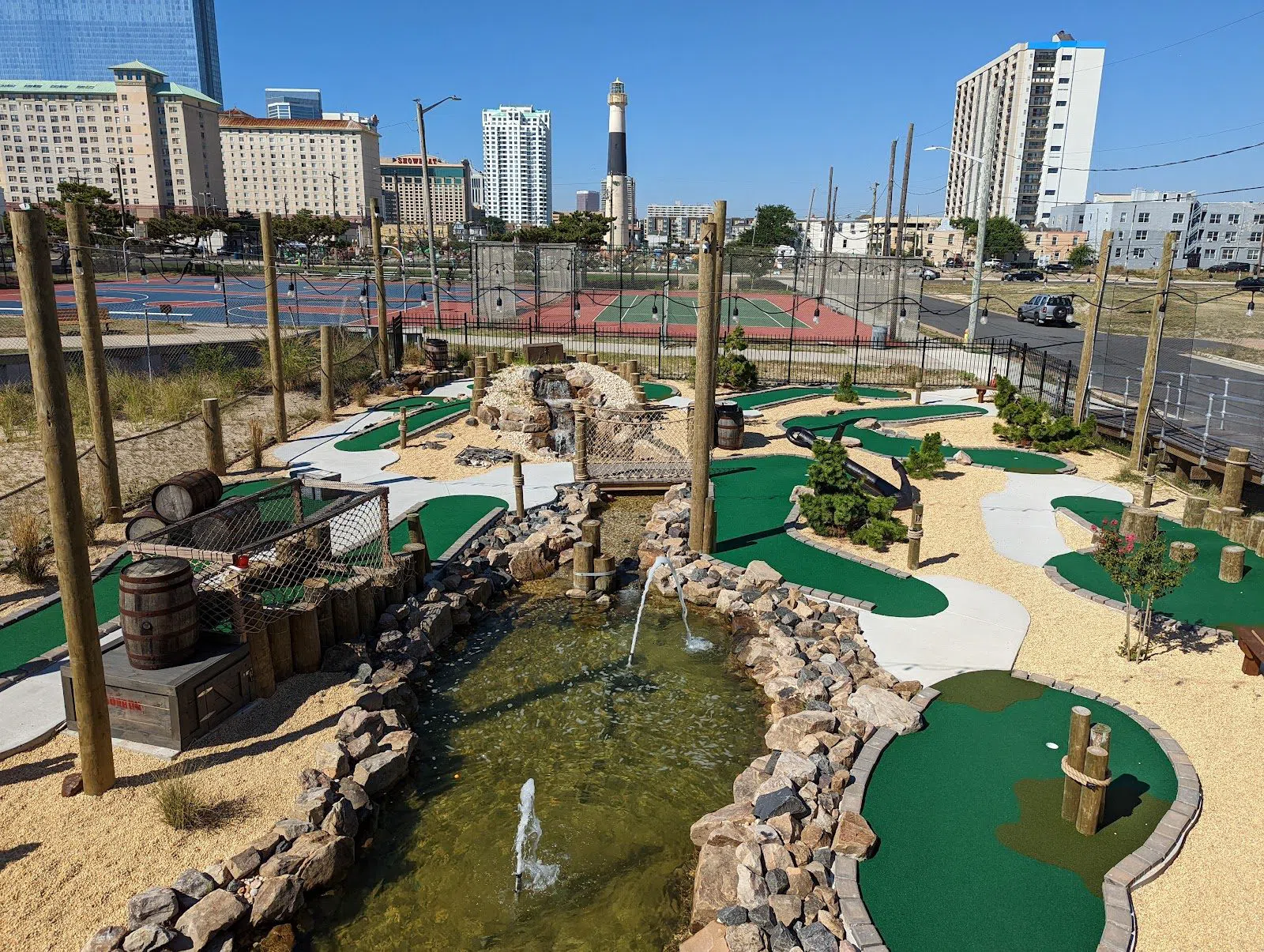
North Beach Mini Golf — Bike & Surrey Rentals (north end, by the Aquarium and the Orange Loop) is set up for groups and families rather than solo riders. Surreys take four to six people on one frame, and hourly or full-day rentals can be booked online in advance, which is worth doing on a summer weekend. Budget roughly $20 for a first hour on a standard bike, more for a surrey. The location matters: starting at the north end means you ride away from the densest crowds rather than into them.
The ordinance catches almost everyone, so check it before you plan a ride. Bikes are allowed on the Boardwalk from 6am to noon between 15 May and 15 September, mornings only, all summer. For the rest of the year that window stays open and an additional 4pm to 7pm slot is added. A ride booked for a July afternoon on the boards is a ride that is not happening.
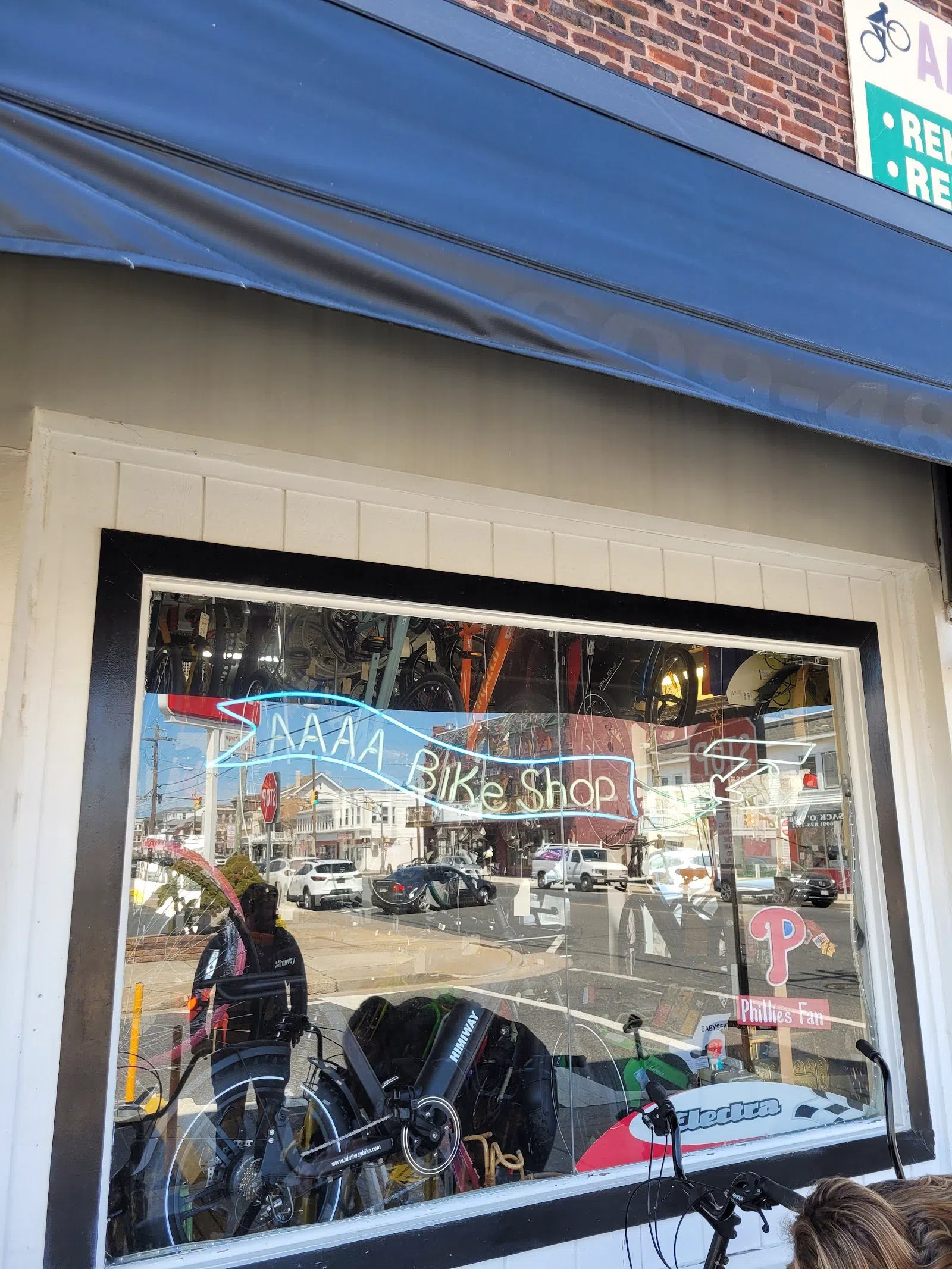
AAAA Bike Shop (walk-in rentals, pitched at the Atlantic Avenue run) is the better base if your ambition is distance rather than an hour of pottering. Rates are $25 per day, $35 for a full twenty-four hours, and $100 for three nights or more, with child trailers and seats extra. The fleet is cruisers and mountain bikes only, no road bikes, which is fine for what the terrain asks of you. Call 609-487-0808 to confirm fall and winter hours before bringing a group down, because they shorten off-season.
The ride worth doing is the nine-mile Downbeach run: the Boardwalk south into Ventnor, then the Atlantic Avenue bike lanes on through Margate and Longport. It is flat the whole way, roughly an hour each way at cruiser pace, and it takes you out of the casino corridor into low, quiet streets within twenty minutes of pedalling.
Where to base yourself
Everything above argues for sleeping inside the Pacific Avenue corridor. Anywhere on that strip puts you on a jitney route within a block, within walking distance of the boards, and close enough to the rail terminal that a train departure needs no planning at all. It is worth comparing rates across the strip before you commit. The Atlantic City hotel search is the quickest way to see what sits where, and the rest of what to do once you have arrived is in the Atlantic City guide.
Practical notes
Getting in from New York is cheapest on Greyhound, from about $17 one way; easiest for a group is OurBus from about $24, because it stops at a casino door. From Philadelphia, take the train to the rail terminal for around $11, or PATCO to Lindenwold plus the 554 bus when you are travelling late. Flying into ACY costs a $40 flat-rate taxi for up to four people, or a few dollars on the 554.
Carry small notes. The jitney is cash-only at $3 a ride, and the ten-trip sheet at $25 is the first thing to buy if you are here more than a night. Trains and coaches take cards and apps; the jitney does not.
On timing, the jitney runs 24/7 and needs no planning. The trams stop for the night, running to 10pm at the height of summer and earlier otherwise. Bikes are Boardwalk-legal 6am to noon from mid-May to mid-September, with a 4pm to 7pm window added the rest of the year. Boardwalk resurfacing continues to the end of 2026, so allow slack on any timed walk.
A car-free day here runs well under $20 a head: two jitney rides on a ten-trip sheet is $5, a tram day pass is $13, and walking the boards costs nothing at all.
Before you go
Do I actually need a car in Atlantic City?
No. The city is a four-mile strip with the Boardwalk on one side and Pacific Avenue a block inland, and the jitney minibuses cover that corridor 24 hours a day for $3 cash a ride. A car mostly buys you a parking charge for journeys you could walk or ride for a few dollars. The one place it helps is exploring far beyond the island, which most short visits never do.
How much is the jitney, and can I pay by card?
It is $3 in cash, handed to the driver. There is no card reader, so bring small notes. A ten-trip sheet costs $25, which works out at $2.50 a ride and solves the exact-change problem; seniors and disabled passengers pay $7.50 for the same ten-trip sheet. Four routes run along Pacific Avenue to every casino door, 24 hours a day, all year.
What is the cheapest way to get from New York to Atlantic City?
Greyhound, from about $17 one way, with one carry-on and one checked bag included. It boards kerbside and drops at Caesars on Pacific Avenue or at Resorts or Tropicana on the Boardwalk, so check which stop your ticket names. OurBus from about $24 is the better call for a group, since you book everyone in one transaction and it also drops at a casino door.
How do I get from Atlantic City International Airport to the Boardwalk?
Taxi fares are capped by city ordinance at a $40 flat rate for one to four passengers, plus $3 for each extra passenger, and the ride takes about fifteen minutes. NJ Transit's Route 554 covers the same journey for a few dollars, and private shuttle vans handle parties of six or more. The jitney no longer serves the airport, so do not plan around it.
Can I cycle on the Boardwalk?
Yes, but only inside set hours. From 15 May to 15 September bikes are allowed between 6am and noon, so mornings only. For the rest of the year that window stays open and a 4pm to 7pm slot is added. Rentals run roughly $20 for a first hour, or $25 to $35 a day from a walk-in shop, and the nine-mile Downbeach ride south along the Atlantic Avenue bike lanes is the one worth doing.