The Atlantic City issue
Four Miles of Wooden Planks: The Story of Atlantic City's Boardwalk
The world's first boardwalk turned 155 this decade — here is how to walk its full length in 2026, landmark by landmark, without wasting a step or a dollar.

By Sanne de VriesBeyond the casino floor

It begins as a practical solution to a nuisance. In 1870, hotel owners tired of guests tracking beach sand into their lobbies laid down a run of removable timber along the shore, and by accident invented the promenade every seaside resort in the world would later copy. More than a century and a half on, that first boardwalk still runs roughly four miles down the edge of the Atlantic — a plank highway of casinos, ride piers, taffy shops and salt air that you can, and should, walk end to end.
What follows is a route, not a list. The boardwalk runs broadly north to south, from the quieter Inlet end down past the big casino blocks to the Tropicana at the southern edge. At an unhurried pace, with stops, allow the better part of a day; walked briskly without pausing, the full length is a little over an hour each way. Bring flat shoes — the timber is forgiving but long — and read this in the order you would meet each place on foot, so you can decide what earns a stop.
Why the boardwalk is here at all
Understanding the boardwalk helps you read it. It was never just a walkway; it was the resort's main street, the place where the rail-borne day-trippers of the late nineteenth century paraded, ate and were parted from their money. The piers pushing out over the water, the grand halls, the sugar shops — all of it grew up to serve a crowd arriving with a few hours and a little cash. That DNA is still visible in 2026, and it is the reason the boardwalk works better as a slow walk than a single destination. You are meant to graze.
A word on honesty before you set off: much of what lines the boardwalk is a casino floor, which means a firm 21-and-over rule wherever there is gaming, and a design intended to keep you inside. The good news is that the most characterful stops — the ride pier, the arcades, the taffy shops, the beer hall a block back — ask nothing of you but your attention, and welcome families and groups without a second look.
Plan your Atlantic City trip
Live prices from our booking partners.
Free cancellation on many rooms. We may earn a commission when you book.
The two landmarks: rides and a grand hall
Start with the thing everyone photographs. Steel Pier (mid-boardwalk, opposite the Hard Rock at Virginia Avenue) is the classic Atlantic City landmark, an amusement pier reaching out over the ocean that has been entertaining crowds in one form or another for generations. It is walk-up and refreshingly unfussy: you buy points or a wristband, there is no door policy, and it absorbs families and large groups with ease. Rides are priced per point, so a casual wander costs little and a full afternoon costs what you let it. The centrepiece is The Wheel, the enclosed observation Ferris wheel that lifts you high over the beach in a climate-controlled gondola — count it as part of Steel Pier rather than a separate attraction, and reckon on around $18 for an adult turn. On a clear day it is the best-value view on the whole boardwalk.

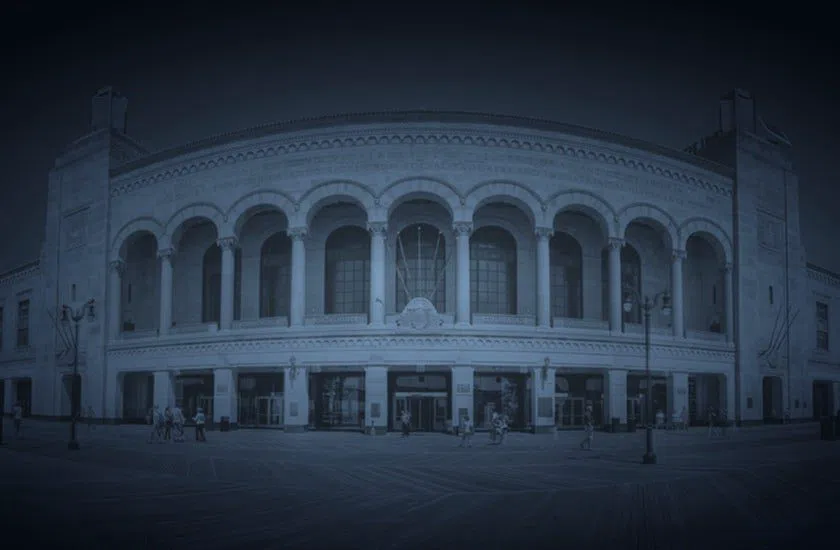
A few hundred metres south, at Mississippi Avenue, stands the single grandest structure on the planks. Boardwalk Hall (central boardwalk) is a monumental arena that predates almost everything around it, and for an international visitor it is a genuine bucket-list room — the kind of venue that hosts touring musicians, championship boxing and large-scale shows beneath a vast vaulted ceiling. This is a ticketed, event-driven stop, so it only works if something is on: check the schedule before you travel, and if you are a group, block-booking seats together is standard and easy. Pricing swings widely with the event, anywhere from modest to premium, but even with no ticket the building is worth crossing the boardwalk to admire.
The casino blocks, read one by one
The casinos are the boardwalk's bulk, and it pays to know how they differ rather than treating them as interchangeable. All are free to enter and browse; all enforce 21-and-over on the gaming floor.
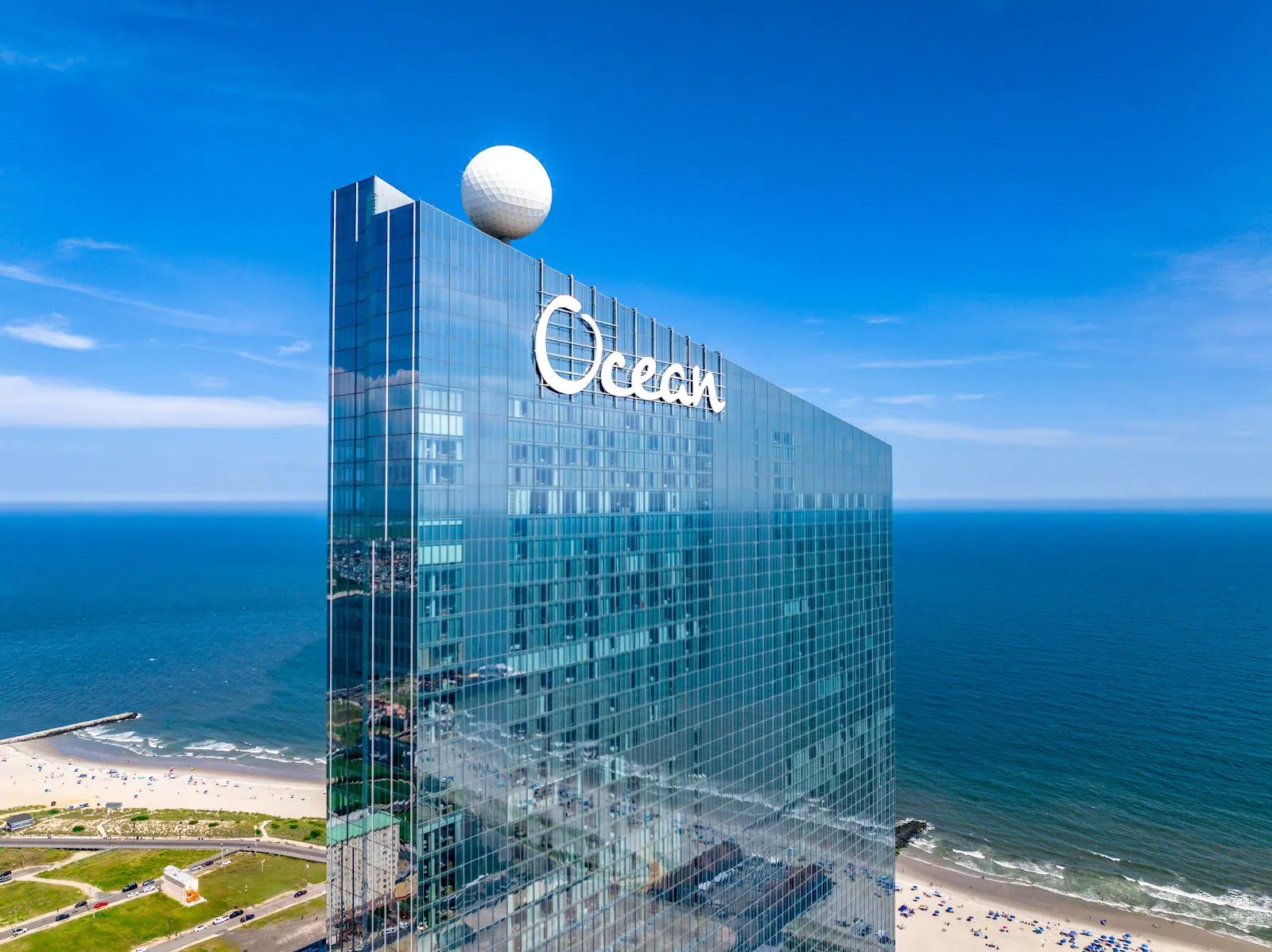
At the northern, Inlet end, Ocean Casino Resort (Inlet, north boardwalk) is the most modern resort on the strip and, for my money, the best fit for a group that wants more than slot machines. Its bays, cabanas and Swing Suite bays are built for booking as a party, and the whole place carries a day-club energy that suits an afternoon after activity rather than a quiet drink for two. If you are travelling as a couple looking for calm, this is not your first choice; if you are six friends wanting somewhere to land, it is.
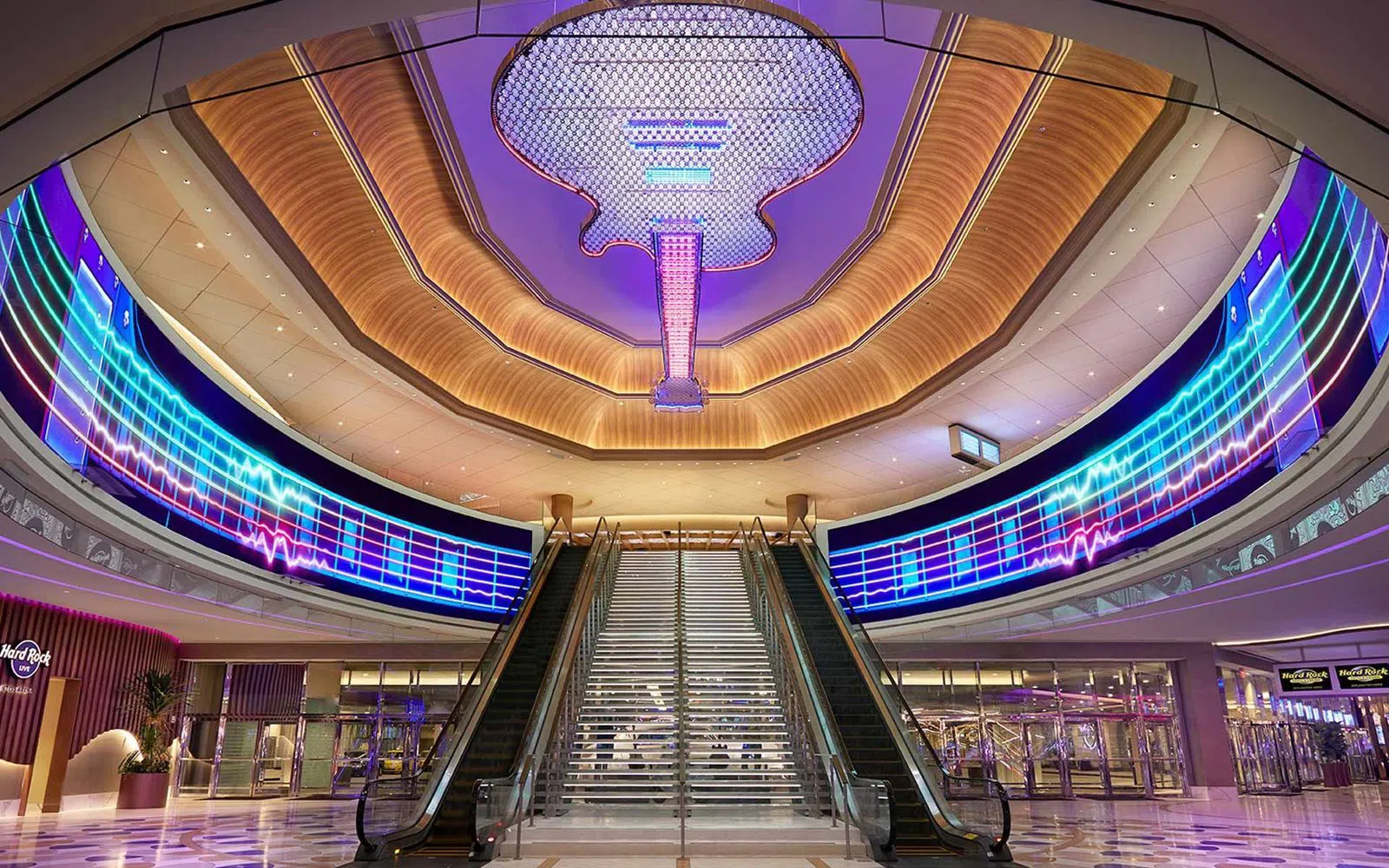
Immediately beside it sits the boardwalk's live-music powerhouse. Hard Rock Hotel & Casino Atlantic City (north-central boardwalk) is the rebranded former Taj Mahal, and it has become the go-to for name concerts, with a walk-in casino floor and multiple bars and stages. Groups are very welcome and there is no cover to step inside; as ever, the gaming floor is 21-plus. If a band you know is playing anywhere in the city, there is a fair chance it is here.
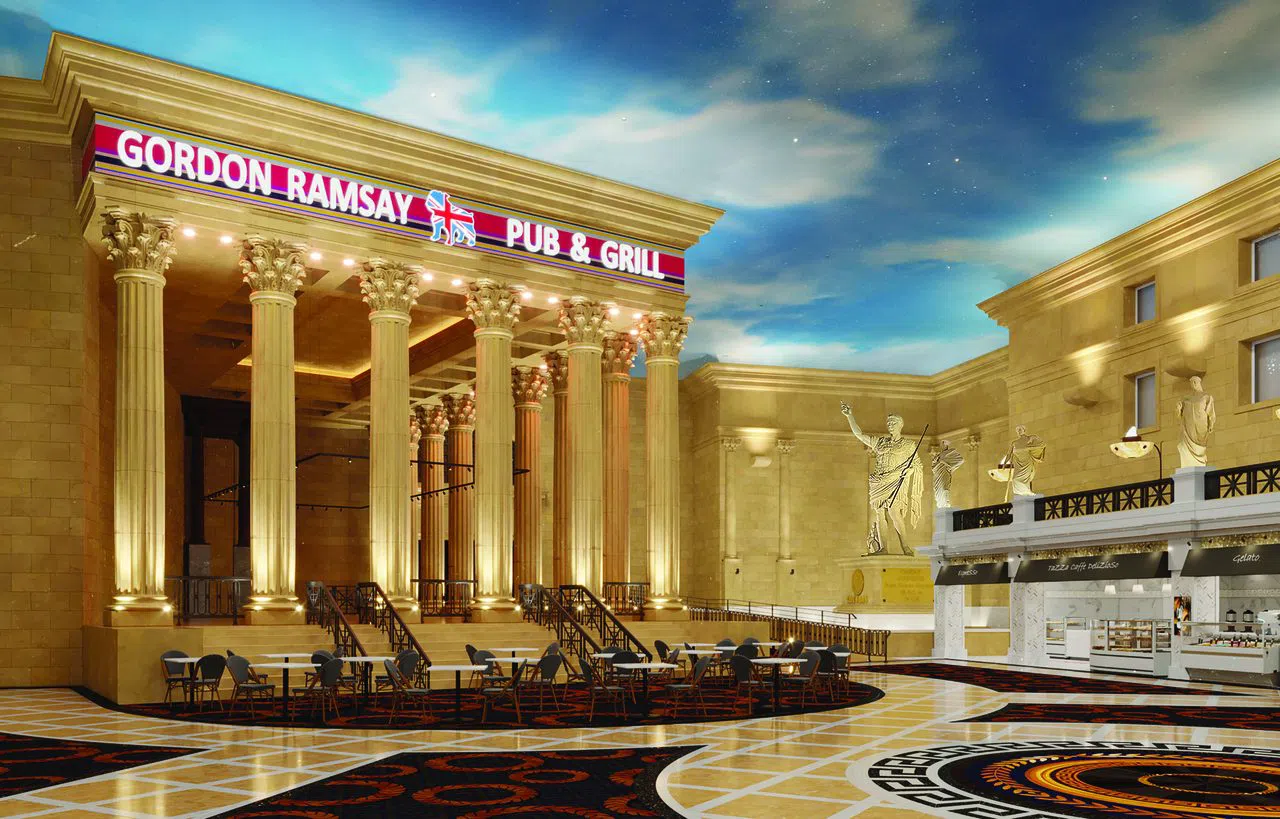
Head south past Steel Pier and Boardwalk Hall and you reach Caesars Atlantic City & The Pier (central boardwalk). This is the quintessential Atlantic City casino spectacle in one stop: full-blown Roman theming on the gaming side and, jutting out over the water, the Pier Shops — a mall-style run of dining and browsing that is free to wander and easy for groups to drift through. It is the most photogenic of the classic casinos and a sensible spot to eat without committing to a single restaurant.
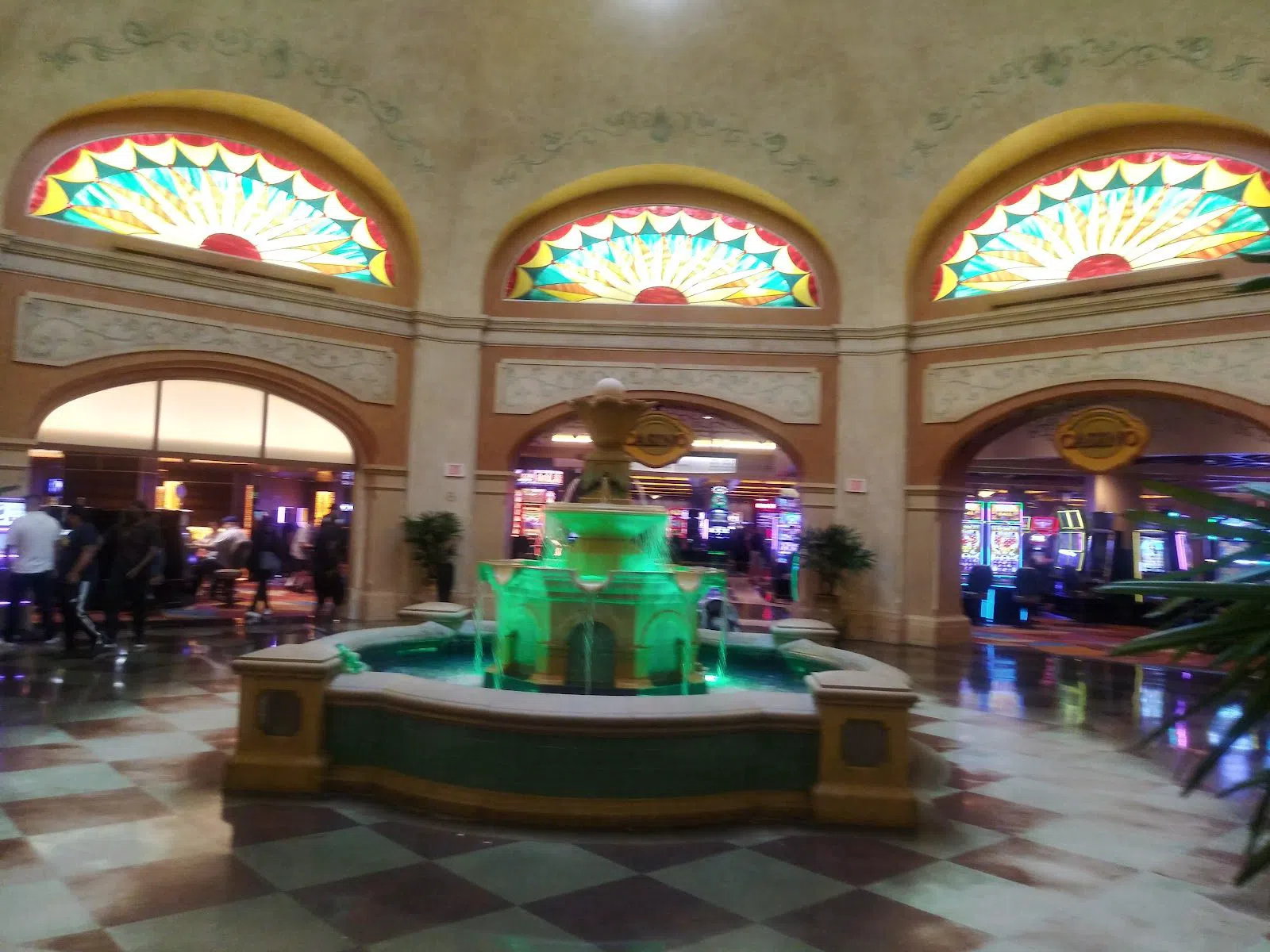
At the southern end, Tropicana Atlantic City (The Quarter) (south boardwalk, Iowa Avenue) is the one I steer groups toward for an evening out. The casino itself is a casino, but the Quarter — a weather-proof, Cuban-themed indoor district of restaurants and bars — is the real draw, and it suits a group night far better than a bare gaming floor. It is walk-in and mid-priced, and because it is enclosed it rescues an evening when the wind comes off the water, as it often does after dark even in summer.
All-weather stops for when the wind turns

The Atlantic does not always cooperate, and the boardwalk has answers. Back at the Inlet end, inside the Showboat, Island Waterpark at Showboat (Inlet, north boardwalk) is billed as the world's largest indoor beachfront waterpark and, crucially, it is open year-round — a real all-weather draw rather than a summer-only one. Day passes start from around $49 general admission, with VIP from roughly $69 and cabanas for groups who want a base. By day it is family territory; there is a separate 21-plus adult zone for those who want the slides without the school holidays. Book online ahead in peak season, when day passes can sell out.
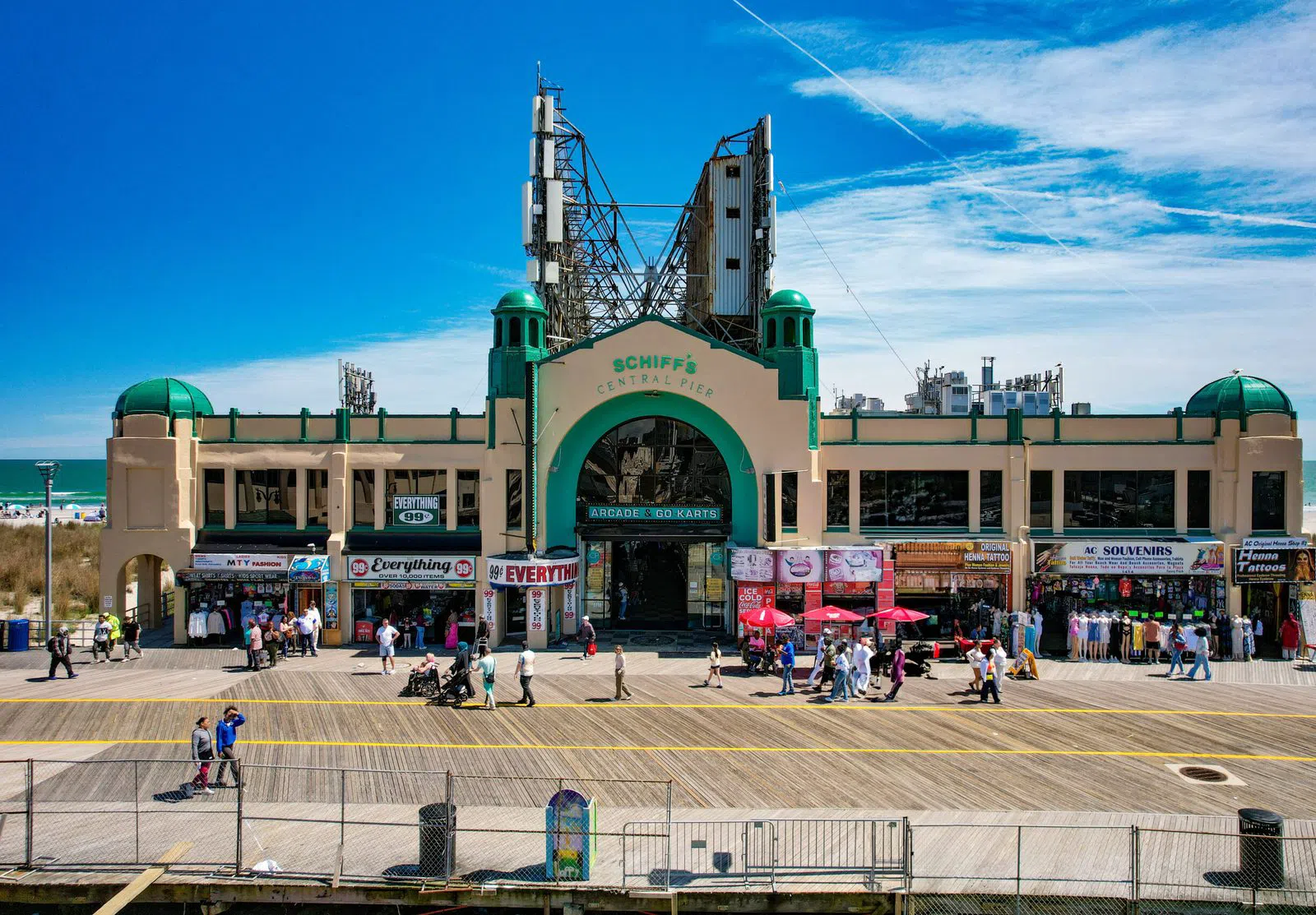
For something cheaper and more active, Central Pier Arcade & Speedway (central boardwalk, St. James Place) is the honest antidote to casino fatigue. It is a walk-up arcade with go-karts running a lap that catches the ocean view, open year-round, and naturally friendly to groups and families alike. Karts run about $8–10 a ride, with a $2-off weekday coupon worth having, and the arcade asks nothing of you but loose change. It will not change your life; it will reset a group that has had enough neon.
Drinks, views and the Orange Loop
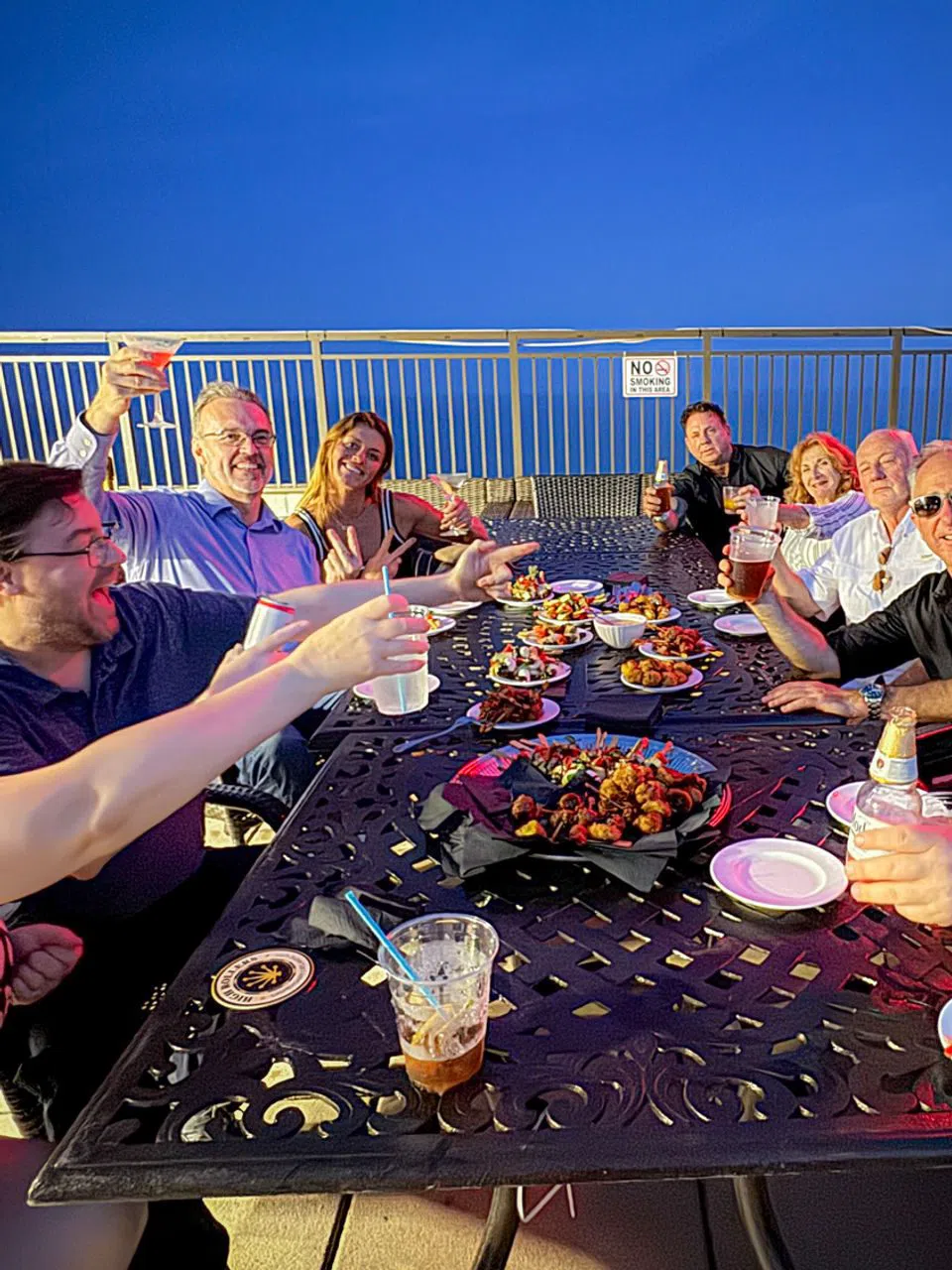
When the walking is done, the drinking has a geography of its own. For the view, The VÜE Rooftop Bar & Lounge at The Claridge (central boardwalk, Park Place) is the standout perch on the whole strip, looking straight out over the boardwalk and the ocean. It takes groups and does bottle service, but call ahead for anything larger than a handful of people, and expect cocktails around $14–18 — fair for the sightline. If your visit lands during the summer Atlantic City Airshow, this is the ticket, and it books out accordingly.
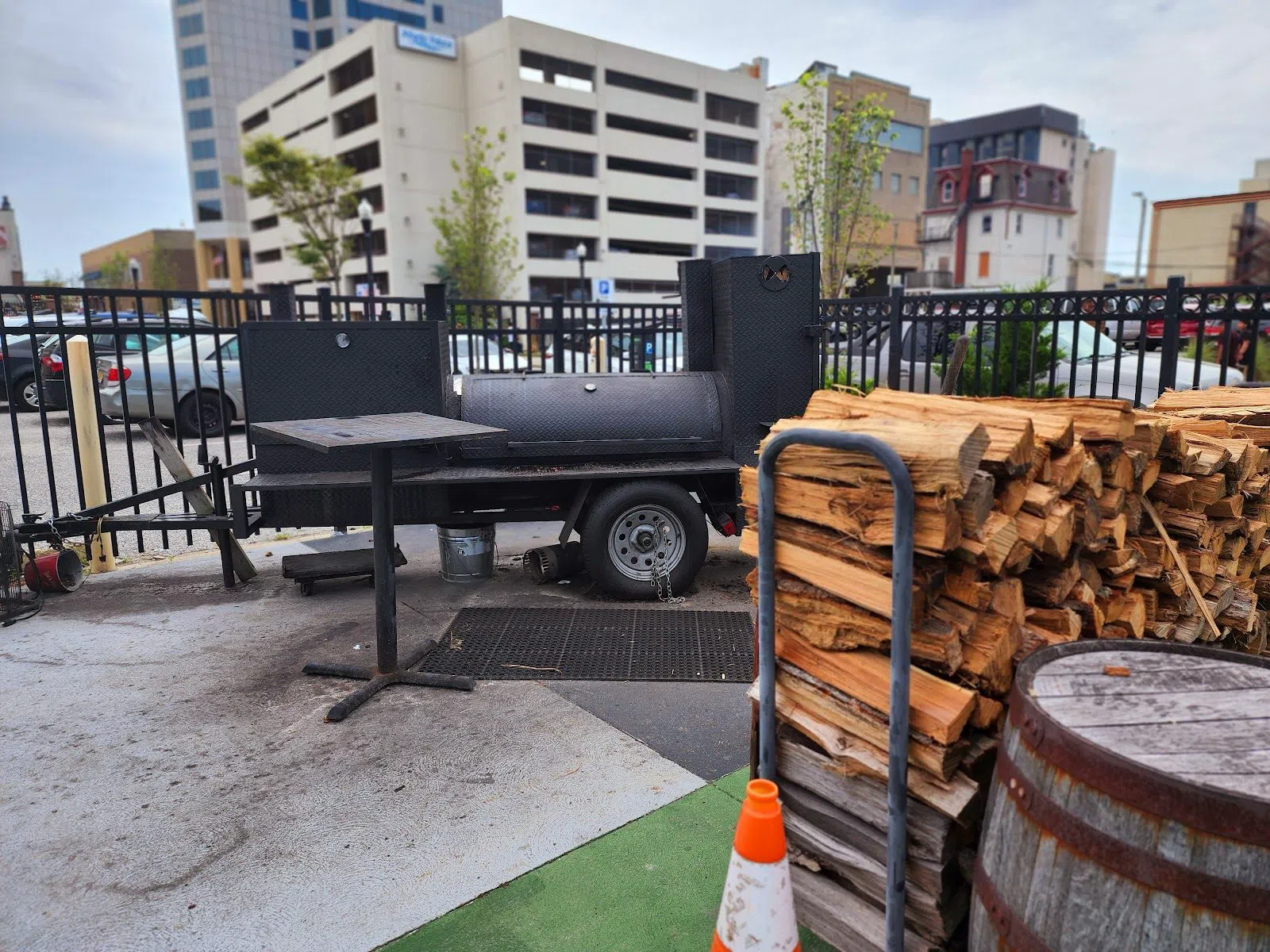
A block back from the planks, the resurgent Orange Loop is where the boardwalk's grandeur gives way to something more human-scaled and, honestly, more relaxing. Tennessee Avenue Beer Hall (Orange Loop, Tennessee Avenue) anchors it: a communal-table beer hall with no dress code, craft beers around $7–9 and honest burgers, and a layout built for a group to spread out and stay a while. It is the best relaxed group-drinking spot near the boardwalk, and the antithesis of a casino bar. A few doors along, Bourré (Orange Loop, Tennessee Avenue) rounds out a crawl with a characterful Cajun-and-Creole, Louisiana-inspired menu, sit-and-watch-a-game comfort and cocktails to match. Between the two you have an easy evening for a group that has had its fill of slot machines and sea wind.

A sweet, cheap souvenir
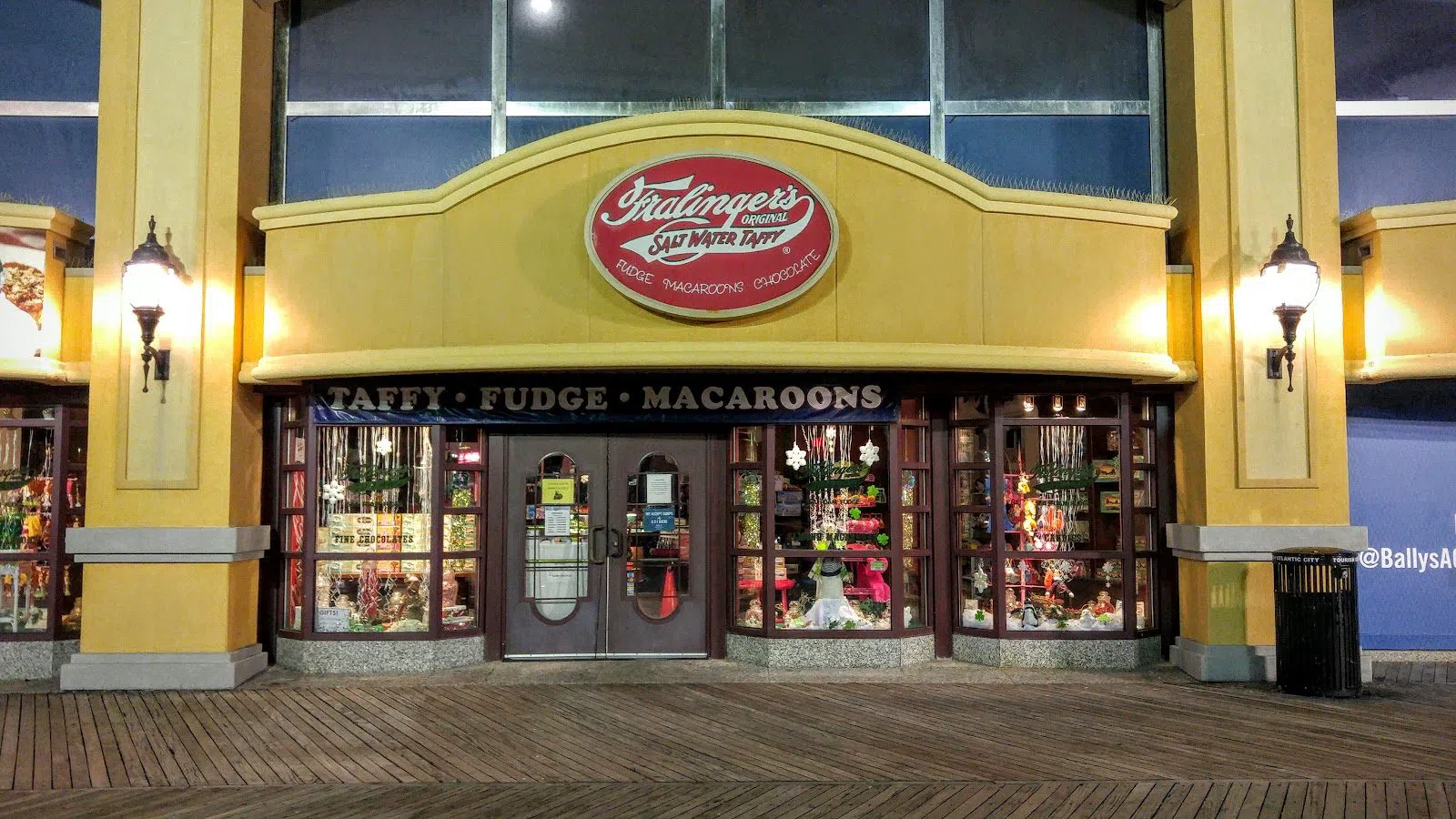
End, or begin, with sugar. Salt water taffy was born on this very boardwalk more than 125 years ago, and Fralinger's / James' Salt Water Taffy (multiple boardwalk shopfronts) is where you buy it — a quick walk-in with no issue for groups and boxes running roughly $10–20. It is the most quintessentially Atlantic City edible souvenir there is, it travels well in a suitcase, and it costs less than a single cocktail. For an international visitor wanting one small, honest thing to carry home from the world's first boardwalk, this is it.
Practicalities
Getting around: The boardwalk is a walk, plain and simple, and walking it is the point — a little over four miles end to end, roughly 6.5 kilometres, or about 80 minutes at a steady pace before stops. If your feet give out, the boardwalk's rolling wicker-chair pushers still operate between the piers for a negotiated fare, and jitneys (small shared minibuses) run the parallel streets a block inland. Casinos cluster in two groups — the Inlet end (Ocean, Hard Rock, Showboat) and the central-to-south stretch (Caesars, Boardwalk Hall, Tropicana) — so plan your day around one end or commit to the full length.
Cash and cards: Cards work everywhere, but keep some US dollars in small notes for arcade rides, go-karts, taffy, wicker-chair fares and jitney trips, which are simplest paid in cash. Prices here are quoted in the local currency, US dollars.
Timing: Summer is the boardwalk at full tilt — busiest, warmest, and the season for the airshow and outdoor events; book rooftop tables and waterpark passes ahead. Spring and autumn are quieter and pleasant for the walk, though the ocean wind sharpens after dark year-round, which is when the enclosed options (the Quarter, the waterpark, Boardwalk Hall) earn their keep. Steel Pier and Central Pier are best in daylight for the views.
Budget: You can walk the full four miles, ride The Wheel, play the arcade and take home a box of taffy for well under $50 a head. Add a concert at Boardwalk Hall, a waterpark day pass or a rooftop round and the day climbs quickly — so decide in advance which one splurge is yours.
For where to stay along the strip, compare rates on the Atlantic City hotel search, and for the wider city beyond the planks — neighbourhoods, seasons and getting in — see the full Atlantic City guide. The boardwalk has been showing visitors a good time for 155 years. Walk it slowly, and it still does.
Before you go
How long is the Atlantic City Boardwalk and how long does it take to walk?
The main boardwalk runs roughly four miles (about 6.5 km) along the beach. Walked briskly without stopping it takes a little over an hour each way; with stops at the piers, casinos and shops, allow most of a day.
Is the Atlantic City Boardwalk good for families and groups, or mainly casinos?
Both. The casino floors are strictly 21-and-over, but Steel Pier, Central Pier Arcade & Speedway, Island Waterpark and the taffy shops are family- and group-friendly with no door policy. The Orange Loop bars and the Tropicana's Quarter suit group nights out.
What is the single most iconic thing to do on the boardwalk?
Riding The Wheel at Steel Pier — an enclosed observation Ferris wheel out over the ocean, around $18 for an adult — gives you the best value view of the whole boardwalk. Boardwalk Hall is the grandest building to see if an event is on.
When is the best time of year to visit the Atlantic City Boardwalk?
Summer is busiest and warmest, with the airshow and outdoor events, so book rooftop tables and waterpark passes ahead. Spring and autumn are quieter for the walk; the ocean wind sharpens after dark year-round, when enclosed options like the waterpark and the Quarter earn their keep.
Do I need cash on the boardwalk, and what currency?
Cards work almost everywhere, but keep some US dollars in small notes for arcade rides, go-karts, salt water taffy, wicker-chair pushers and the inland jitney minibuses, which are simplest paid in cash. All prices are in US dollars.